Single-Molecule Sensors and NanoSystems International Conference – S3IC 2024
Sensor systems exhibit extraordinary sensitivity for detecting physical, chemical, and biological entities at the micro/nanoscale. The detection and analysis of molecules on miniature devices with many possible applications in health, environment, analysis, and security is particularly exciting. A new class of label-free micro and nanosensors is starting to emerge, allowing us to observe dynamic processes at the single molecule level directly, with unprecedented spatial- and temporal resolution and without significantly affecting the natural and functional movements of the molecules. Micro- and nanosensors by virtue of their small interaction length probe molecules over a dynamic range often inaccessible by other techniques. Their small size enables an exceedingly high sensitivity, and the application of quantum optical measurement techniques can allow us to approach or surpass classical limits of detection. Advances in optical and electrical measurement methodology, laser interferometry, quantum optics, micro/nanofluidics, control of molecules and reactions at the nanoscale, DNA origami/synthetic molecular machines, in-vivo and wearable sensing materials, all contribute to the rapid progress of the field of Single Molecule Sensors and NanoSystems. It is this convergence of previously often disparate fields that is accelerating the advancements in micro and nano-sensing.
This conference will bring together researchers in the rapidly advancing field of Single Molecule Sensors and NanoSystems on October 28-30, 2024 in Paris. The conference focuses on the most recent advances in micro and nano-sensing techniques that have either demonstrated single-molecule detection or that can advance or contribute towards single-molecule detection capability on sensor chips in the longer term.
TOPICS
COMMITTEE
CHAIRMAN
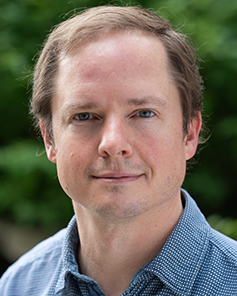
Prof. Frank Vollmer
University of Exeter, UK
CO-CHAIRMAN

Prof. Jerome Wenger
Fresnel Institute, Marseille, France
PLENARY SPEAKERS

Prof. Jeremy Baumberg
University of Cambridge, UK

Prof. Vincent Croquette
ESPCI, France

Prof. Thomas Ebbesen
Université de Strasbourg, France

Prof. Reuven Gordon
University of Victoria, Canada

Prof. Stefan Hell (online)
Max-Planck-Institutes, Germany

Prof. Fedor Jelezko
Universität Ulm, Germany

Prof. Philipp Kukura
University of Oxford, UK

Prof. Laura Na Liu
University of Stuttgart, Germany

Prof. Aleksandra Radenovic
Ecole Polytechnique Fédérale de Lausanne, Switzerland

Dr. Brian Reed
Quantum-Si, USA

Prof. Philip Tinnefeld
Ludwig-Maximilians-Universität München, Germany

Prof. Ronald Walsworth
University of Maryland, USA
INVITED SPEAKERS

Dr Patricia Bassereau
Institut Curie, France

Dr. Laurent Cognet
Institute of Optics Bordeaux, France

Prof. Andreas Dahlin
Chalmers University of Technology, Sweden

Prof. Joerg Enderlein
Georg-August-Universität Göttingen, Germany

Prof. María García-Parajo
ICFO, Spain

Prof. Randall H Goldsmith
Department of Chemistry, University of Wisconsin-Madison, USA

Prof. Chirlmin Joo
Delft University of Technology, Netherlands

Prof. Ulrich Keyser
University of Cambridge, UK

Prof. Christoph Langhammer
Chalmers University of Technology, Sweden

Prof. Jan Lipfert
Utrecht University, Netherlands

Prof. Michael Mayer
University of Fribourg, Switzerland

Dr. Peter Zijlstra
Eindhoven University of Technology, Netherlands
GALLERY
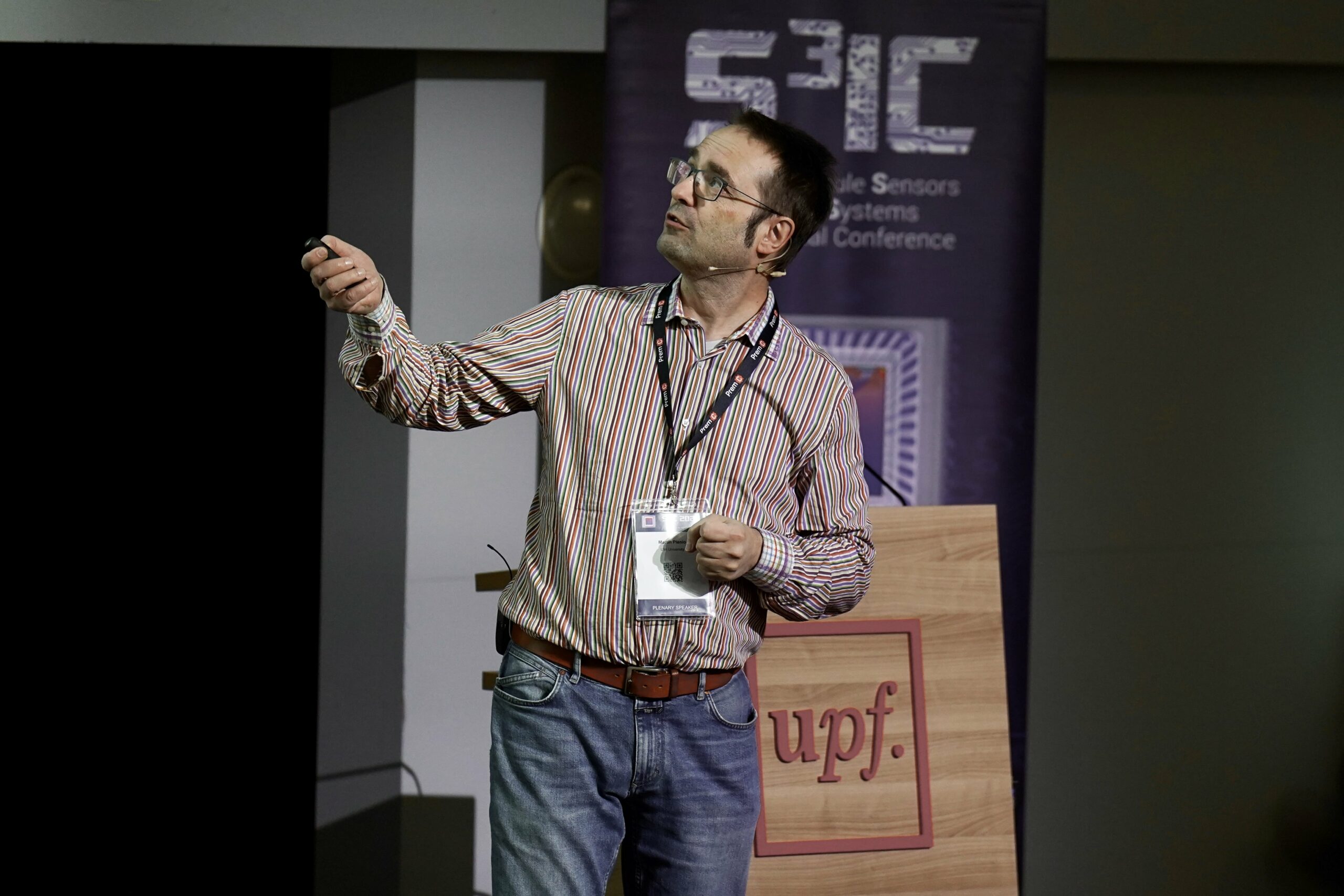
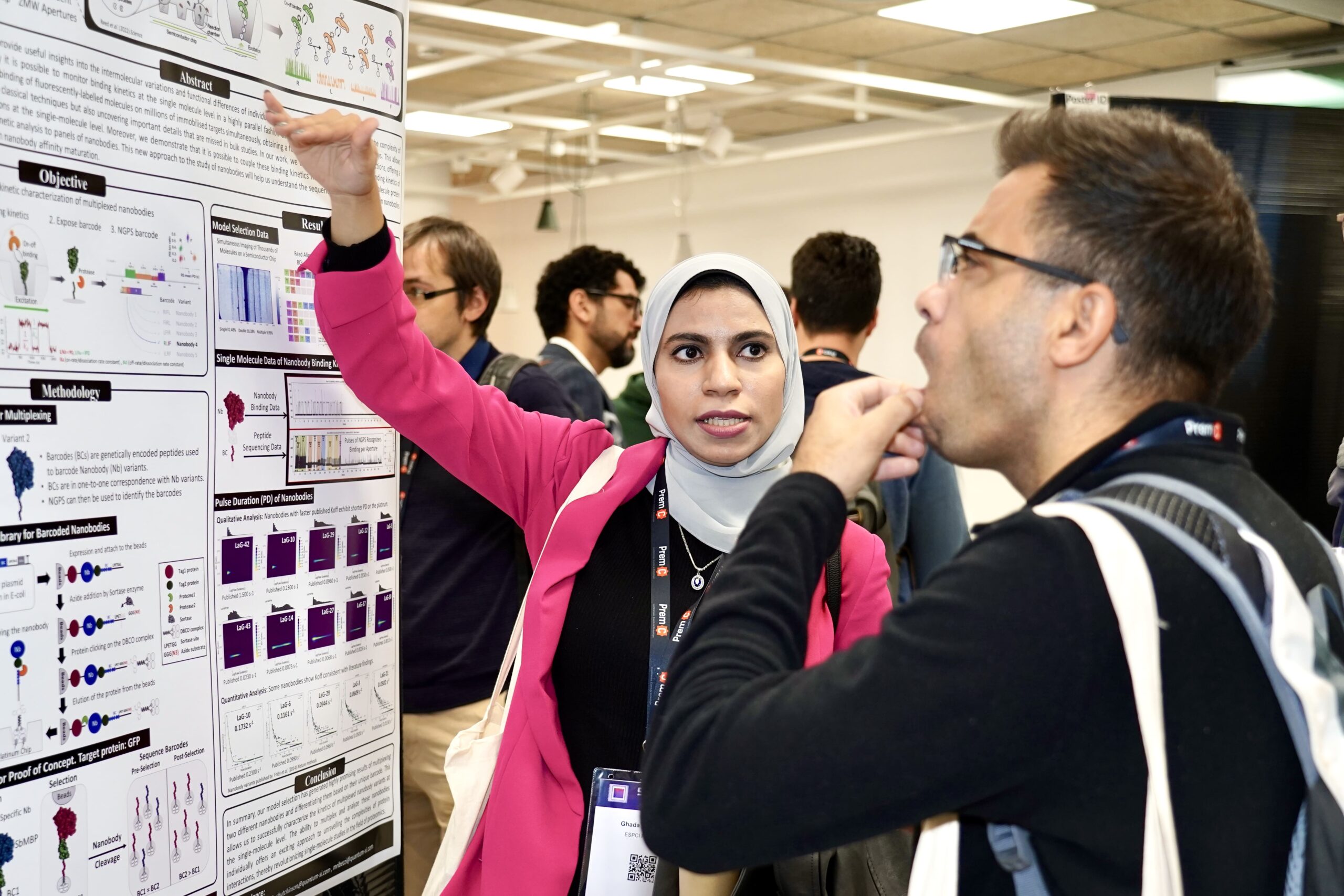
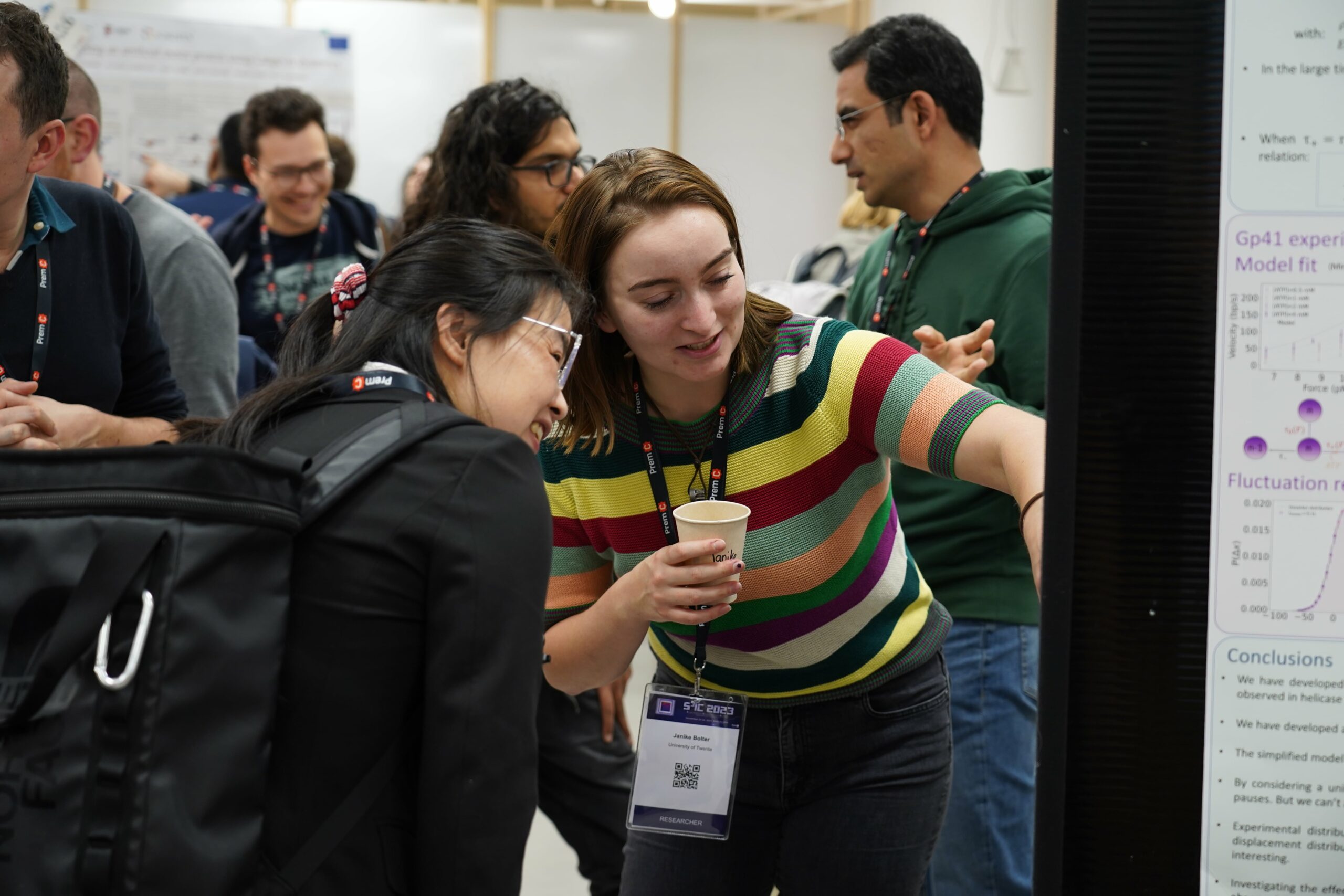
FULL PAPERS PUBLICATION
All authors with accepted abstract will be able to submit the corresponding full papers for publication in the conference proceedings. More opportunities will be announced soon.
You are invited to submit the corresponding full paper of your conference abstract to be reviewed and published in CSBJ: Quantum Biology & Biophotonics.

We are delighted to announce a partnership between the journal CSBJ: Quantum Biology & Biophotonics and the Single-Molecule Sensors and NanoSystems International Conference 2024 (S3IC 2024).
Authors of the selected abstracts submitted to the Conference are encouraged to submit their papers to form part of a Special Collection in the journal CSBJ: Quantum Biology & Biophotonics.
Important deadlines: The submission of manuscripts ends on 15 December, 2024
When submitting your paper, please indicate that the paper is to be considered for this Special Collection. All papers will be peer-reviewed following the usual review process and criteria of the CSBJ: Quantum Biology & Biophotonics journal.
CSBJ: Quantum Biology & Biophotonics looks forward to receiving your submissions and offering an outlet for your research.
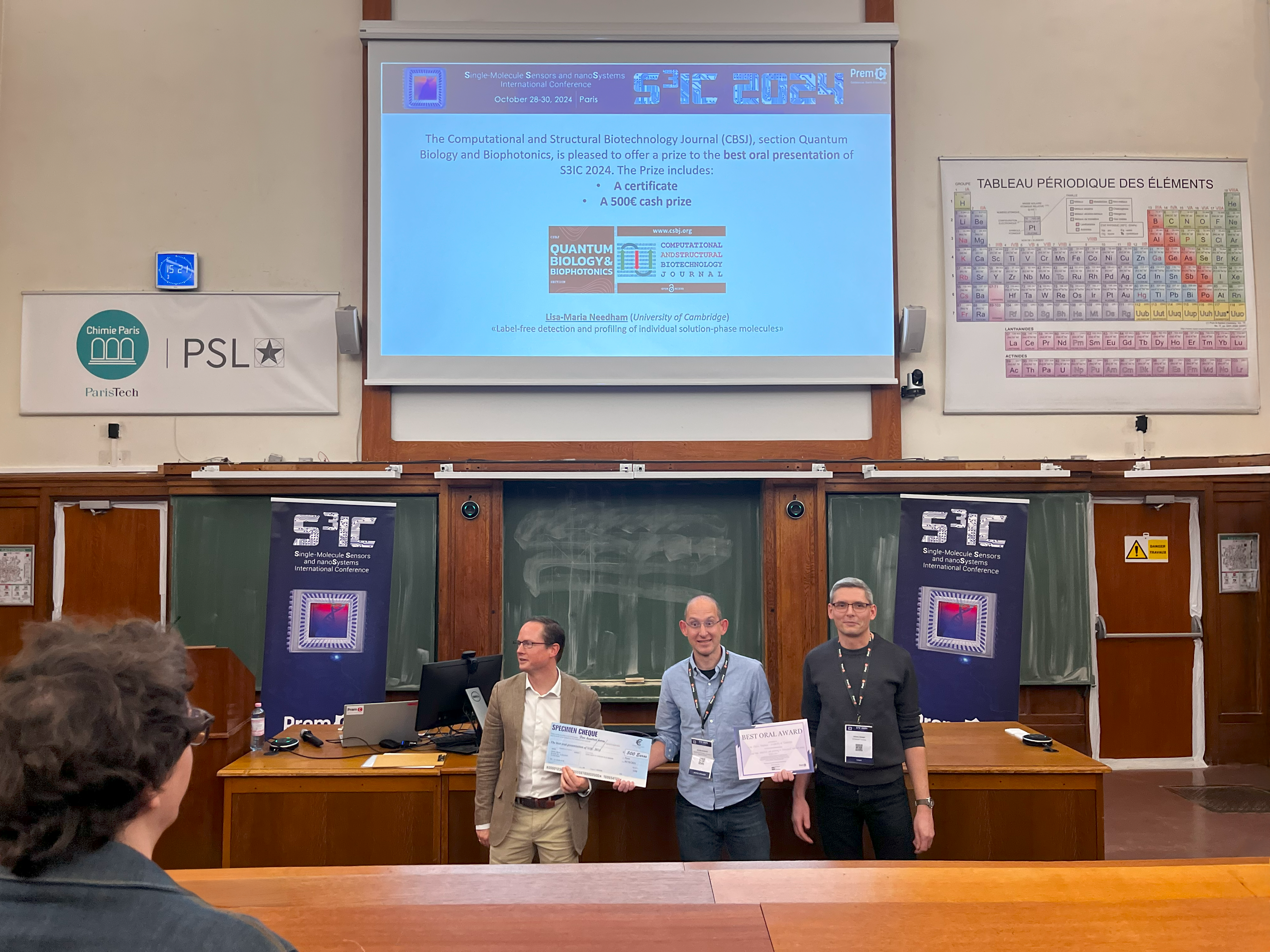
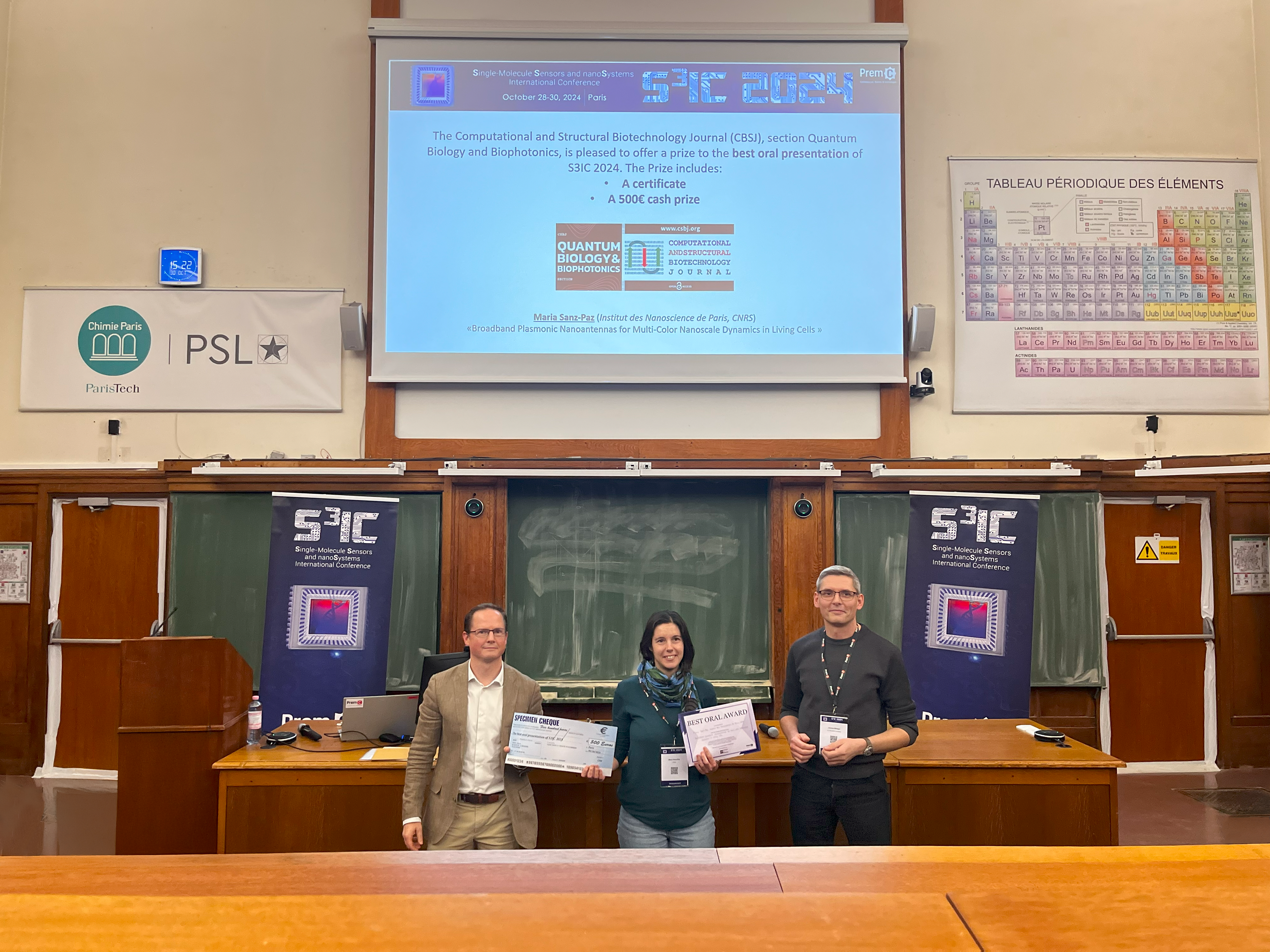
CONFERENCE AWARDS
The journal CSBJ is pleased to offer a prize for the two best poster presentations of S3IC 2024. The Prize includes:
[icon name=icon_ribbon_alt] A certificate
[icon name=icon_ribbon_alt] A € 500 cash prize
The award goes to Simon Brauburger (University of Cambridge) for his poster ‘Towards direct transcriptome characterization using RNA nanotechnology in solid-state nanopores’.
The award goes to Xingzao Wang (University of Oxford) for his poster ‘ON-OFF nanopores for optical control of transmembrane ionic communication’.
The journal CSBJ is pleased to offer a prize for the two best poster presentations of S3IC 2024. The Prize includes:
[icon name=icon_ribbon_alt] A certificate
[icon name=icon_ribbon_alt] A € 500 cash prize
The award goes to Simon Brauburger (University of Cambridge) for his poster ‘Towards direct transcriptome characterization using RNA nanotechnology in solid-state nanopores’.
The award goes to Xingzao Wang (University of Oxford) for his poster ‘ON-OFF nanopores for optical control of transmembrane ionic communication’.
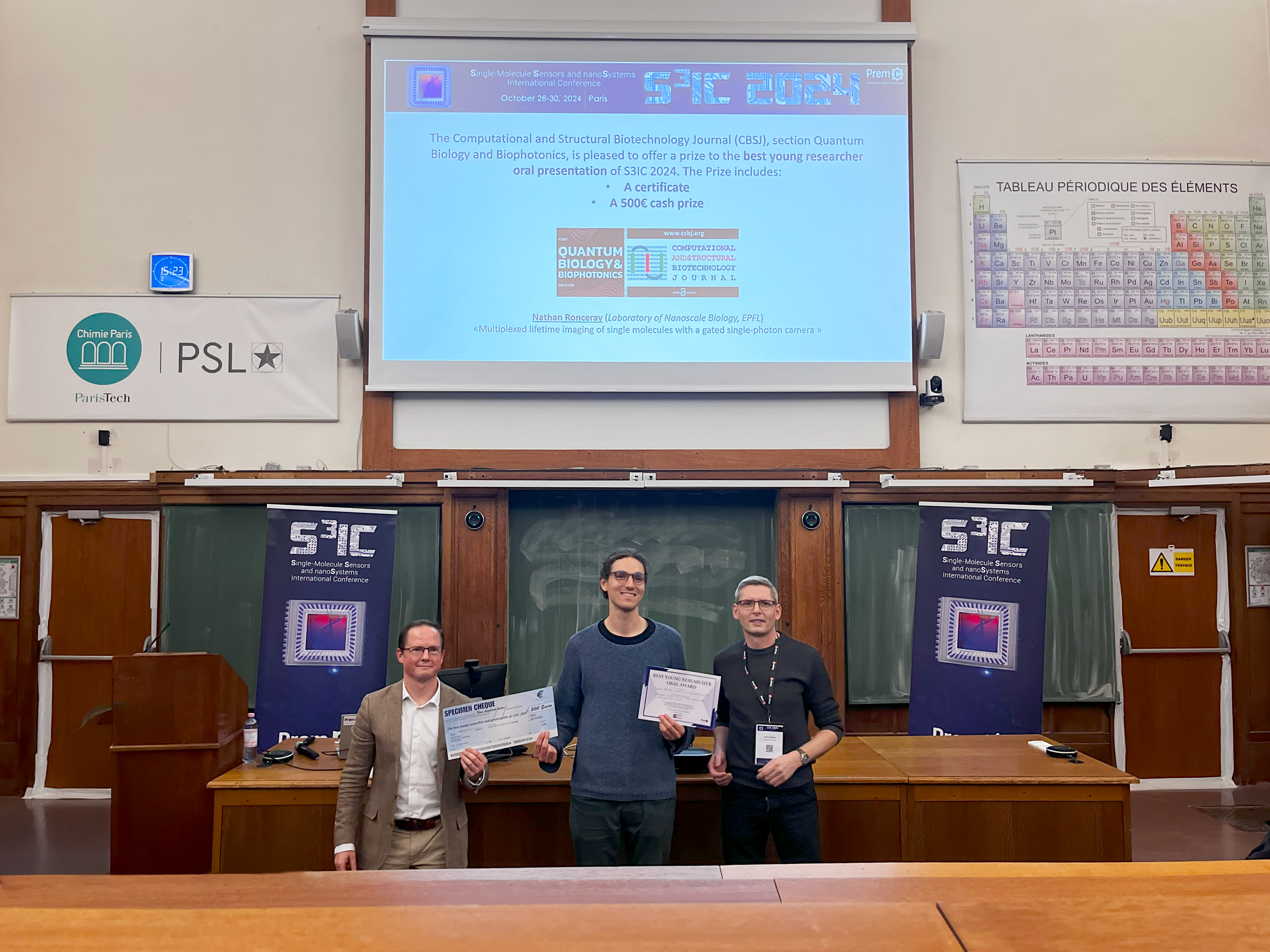
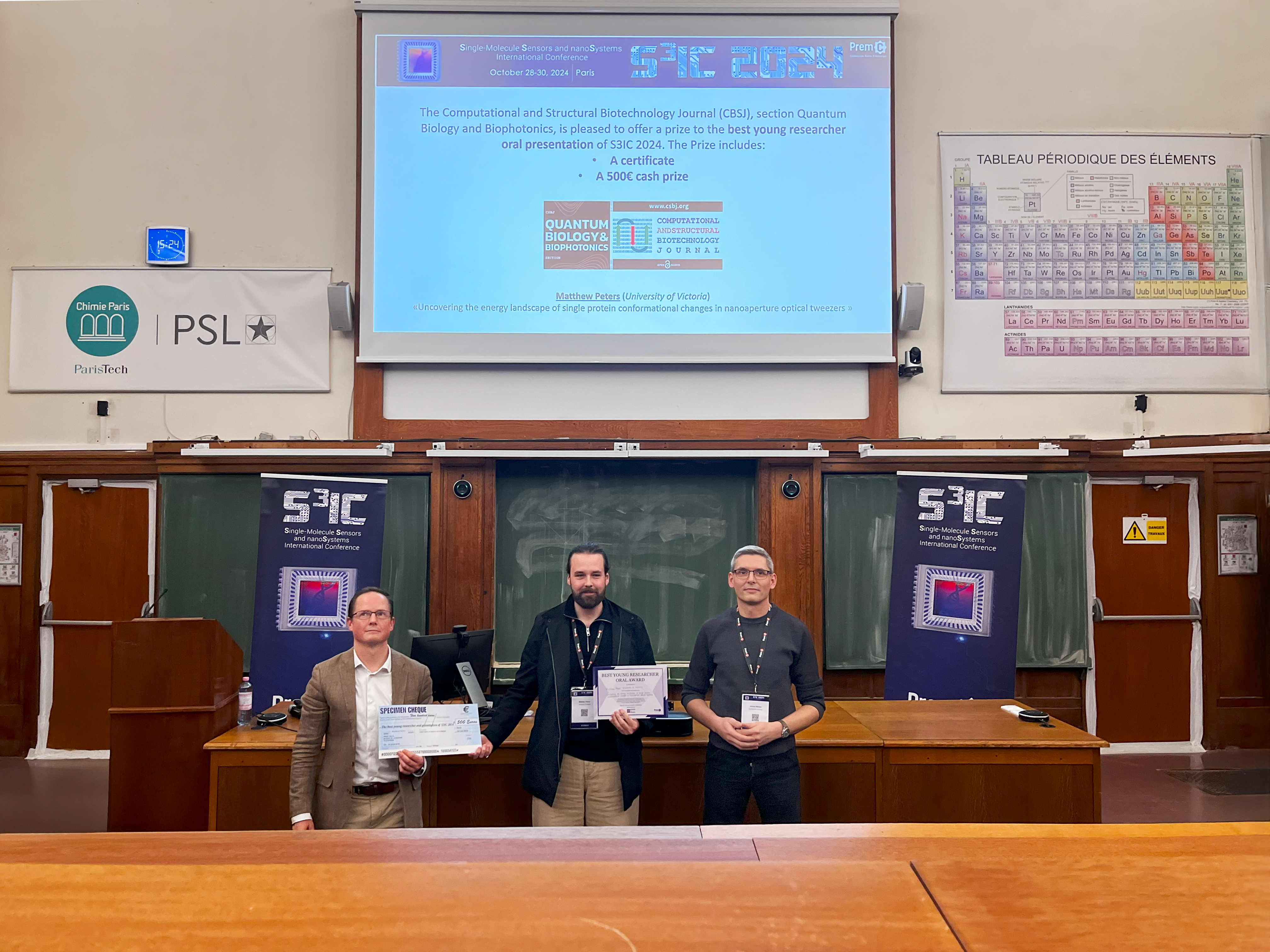
The journal CSBJ is pleased to offer a prize for the best young researcher oral presentation of S3IC 2024. The Prize includes:
[icon name=icon_ribbon_alt] A certificate
[icon name=icon_ribbon_alt] A € 500 cash prize
The award goes to Nathan Ronceray (Laboratory of Nanoscale Biology, EPFL ) for his presentation ‘Multiplexed lifetime imaging of single molecules with a gated single-photon camera’.
The award goes to Matthew Peters (University of Victoria) for his presentation ‘Uncovering the energy landscape of single protein conformational changes in nanoaperture optical tweezers’.
GROUP PICTURE

ORGANIZER

SPONSORS & EXHIBITORS