
Keynote Speakers
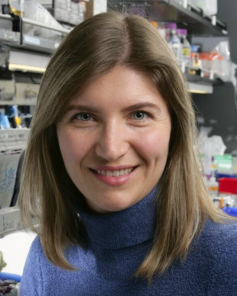
Prof. Viviana Gradinaru
CalTech, USA
Viviana Gradinaru (Stanford PhD, Caltech BS) is the Troendle Professor of Neuroscience and Biological Engineering at Caltech and the Davis Leadership Chair of the Merkin Institute for Translational Research. In 2024, she was named a Howard Hughes Medical Institute Investigator and a Carnegie Great Immigrants Awardee. Prof. Gradinaru studies brain-body interactions in neurodegeneration. Her laboratory develops technologies to observe and perturb cells—such as optogenetics and tissue clearing—and to deliver genes to the brain via the bloodstream rather than surgery. She is a Fellow of the National Academy of Inventors (2022) and the American Association for the Advancement of Science (2021). Her honors include the NIH Director’s Pioneer and Innovator Awards, the Presidential Early Career Award for Scientists and Engineers, and young investigator awards from the Society for Neuroscience, the American Society of Gene and Cell Therapy, and the Vilcek Foundation. Prof. Gradinaru is also co-founder of Capsida Biotherapeutics, a gene therapy company with two FDA Investigational New Drug applications for epilepsy and Parkinson’s disease—highlighting the translational promise of noninvasive, targeted brain therapeutics.
Talk Title: Blood-Brain Barrier: Friend and Foe – Understanding defense mechanisms and transport across the BBB and move towards targeted, noninvasive study and repair of the brain

Prof. Feng Shao
National Institute of Biological Sciences, China
Dr. Feng Shao is an investigator and deputy director at National Institute of Biological Sciences (NIBS), Beijing. He was a chemistry undergraduate of Peking University and obtained his PhD from University of Michigan. Before returning to China in 2005 to assume an assistant investigator at NIBS, he was a Damon Runyon Postdoc Research Fellow at Harvard Medical School. Dr. Shao has been appointed as an Endowed Chair Professor of Tsinghua University since 2020 and currently also serves as the Associate Director of Changping National Laboratory and the President of Chinese Society of Biochemistry and Molecular Biology.
Talk Title: Brain endothelial GSDMD activation mediates inflammatory BBB breakdown
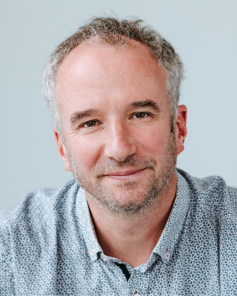
Prof. Benoit Vanhollebeke
ULB University, Belgium
Professor Benoit Vanhollebeke, PhD, is a molecular biologist at the Université libre de Bruxelles (ULB) and a senior investigator at the WEL Research Institute. His research spans the molecular mechanisms of immune evasion, brain vascular development, and blood–brain barrier formation. His ERC-funded laboratory has contributed to understanding the signaling pathways that regulate brain angiogenesis and barrier integrity, with potential relevance for neurological and cerebrovascular disorders. In parallel with his academic activities, he founded Neuvasq Biotechnologies, a BBB-focused company, to support the translation of this work toward therapeutic applications.
Talk Title: Single-cell regulation of brain angiogenesis and blood-brain barrier formation: From molecular mechanisms to BBB repair strategies
Invited Speakers
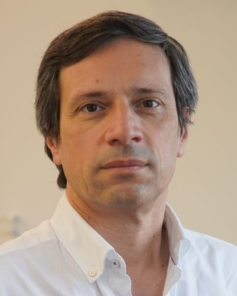
Prof. Miguel Castanho
Faculdade de Medicina da Universidade de Lisboa
Miguel Castanho is the Head of the Department of Biochemistry of the School of Medicine of the University of Lisbon and Group Leader at GIMM – Instituto Gulbenkian para a Medicina Molecular, which is part of the Lisbon Medical Academic Center. The goal of Miguel Castanho’s group is to unravel the physical principles that govern interactions at the molecular level of clinically relevant compounds with model cell systems and animal models, with the objective of developing new drugs, as well as improving the understanding of the mechanism(s) of action of established drugs. Miguel Castanho has expertise in the design and study of membrane-active peptides with anti-infective and anticancer activities using experimental methods developed in-house, as well as structural biology approaches. One of the main focuses of his research group is the study of peptide drugs or peptide-drug conjugates able to transmigrate across the Blood-Brain-Barrier and target enveloped viruses, bacteria or breast cancer brain metastases in the Central Nervous System. He was the coordinator of the international consortium NOVIRUSES2BRAIN (European Innovation Council; FET-OPEN, Grant 828774) and participates in two European Commission-funded consortia (EvaMobs and AVITHRAPID) under the call HORIZON-HLTH-2023-DISEASE-03-
Talk Title: Reducing the viral load of Zika virus in the brain using broad spectrum peptide-porphyrin conjugates.
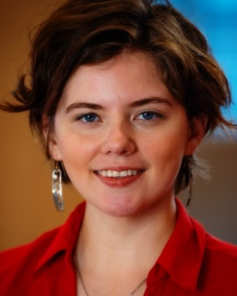
Dr. Kylie Chew
Denali Therapeutics
I received my PhD from Johns Hopkins University in 2014 and completed postdoctoral training with Carla Shatz before joining Denali Therapeutics, where I am currently a Principal Scientist. Over the past nine years, my work has focused on developing and preclinically validating blood–brain barrier (BBB) transport vehicle platforms, including CD98hc-enabled delivery and next-generation dual-targeting strategies that leverage both the transferrin receptor (TfR) and CD98hc, to enhance CNS exposure of large-molecule therapeutics. I lead multiple cross-functional teams that investigate the unique biology that emerges when therapeutic target engagement is paired with TfR and/or CD98hc binding, with the goal of developing therapeutics optimized for delivery and efficacy.
Talk Title: Targeting TfR and CD98hc for brain delivery of large molecules
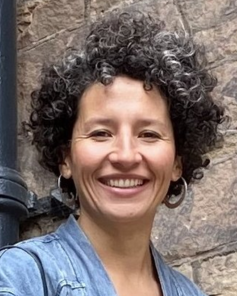
Dr. Blanca Díaz Castro
UK Dementia Research Institute, The University of Edinburgh
Talk Title: Molecular alterations of the vasculature-astrocyte interactions in dementia

Prof. Kavi Devraj
Birla Institute of Technology & Science, Pilani Hyderabad Campus
Talk Title:
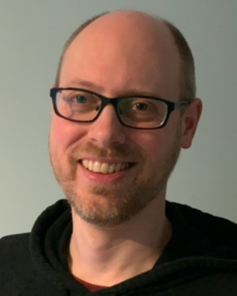
Dr. Simon McArthur
Institute of Dentistry, Queen Mary University of London
Since completing his PhD at Imperial College London, UK in 2005, his research has focused on how changes in the periphery affect the brain and its response to challenge, studying factors as diverse as sex, stress and diet. Since establishing his own lab at Queen Mary, University of London in 2016, Dr Simon McArthur have developed a keen interest in understanding the impact of the gut microbiota upon brain function, and the role of gut microbe-derived metabolites and host co-metabolites in mediating microbe-brain communication. He is particularly interested in studying the interactions of such metabolites with the blood-brain barrier, the primary interface between the circulation and the CNS, and in identifying the molecular pathways through which they can modify barrier integrity, thereby affecting neuroinflammatory activity and cognitive behaviours. The overall goal of his research is to understand how we can exploit these systems to promote brain resilience and healthy aging.
Talk Title: The blood-brain barrier and the gut-brain axis: Gut microbial metabolites as cerebrovascular actors
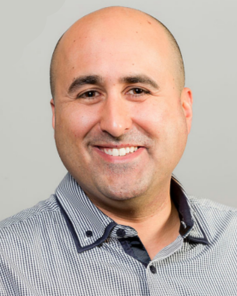
Prof. Joseph Nicolazzo
Monash Institute of Pharmaceutical Sciences, Monash University
Joseph Nicolazzo graduated with a PhD in 2004 from Monash University (Australia) focusing on buccal mucosal drug delivery. He joined the Faculty of Pharmacy and Pharmaceutical Sciences, Monash University in 2007 as a Lecturer, where he is now a Professor, Director of the Centre for Drug Candidate Optimisation, and Associate Dean, International. His research focuses on the role of drug transporters at the blood-brain barrier (BBB) in facilitating and limiting drug access into the CNS, how transport across the BBB alters in neurodegenerative diseases, and how the BBB may be exploited to reverse pathology associated with Alzheimer’s disease and motor neurone disease. He is the author of 120 peer-reviewed manuscripts and is regularly invited to international conferences in the field of BBB biology. Joseph is Vice President/President Elect of the International Brain Barriers Society and will be the Chair of the Gordon Research Conference Barriers of the CNS 2028.
Talk Title: Modulating P-glycoprotein at the blood-brain barrier and microglia to restore brain homeostasis in Alzheimer’s disease
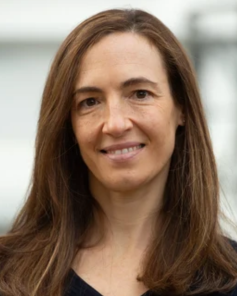
Prof. Dr. Carmen Ruiz de Almodóvar
Institute for Neurovascular Cell Biology, University of Bonn
She graduated in Biochemistry at the University of Granada (Spain) and obtained her PhD in 2004 in Molecular Biology at the Institute for Parasitology and Biomedicine (CSIC), also in Granada. During her postdoctoral training at VIB-KULeuven (Leuven, Belgium), she became interested in vascular biology and the communication of vascular cells with cells of the nervous system. In 2011 she started her junior research group at the Biochemistry Center of the University of Heidelberg (Germany), with the main research focus of Neurovascular interactions during development. After a short professorship at the Medical Faculty Mannheim of the University of Heidelberg, she moved to Bonn in 2022 to lead the institute for Neurovascular cell biology. The main research focus of her group is to understand vascular heterogeneity and functionality within the CNS during development, physiology and pathology.
Talk Title: Selective opening of the blood-spinal cord barrier and immune activation upon peripheral injury
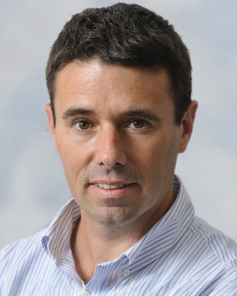
Prof. Avi Schroeder
Technion - Israel Institute of Technology
Avi Schroeder is a Professor of Chemical Engineering at the Technion–Israel Institute of Technology, where he heads the Laboratory for Targeted Drug Delivery and Personalized Medicine Technologies (https://www.schroederlab.com/). Dr. Schroeder conducted his Postdoctoral studies at the Massachusetts Institute of Technology (MIT), and his PhD jointly at the Hebrew and Ben Gurion Universities. Avi is the recipient of more than 40 national and international recognitions, including being named a Fellow of the Royal Society of Chemistry, a KAVLI Fellow, and being awarded the Intel Nanotechnology Award, the TEVA Pharmaceuticals Award, and the Wolf Foundation Krill Award. Avi is the author of 100 papers, the inventor of 25 patents, and co-founder of multiple startup companies based on these discoveries. Schroeder is the recipient of ERC-StG, ERC-CoG, and ERC-POC grants. Schroeder is a former President of the Controlled Release Society (CRS).
Talk Title: Brain-targeted liposomes and LNP’s: the role of AI in nanoparticle design
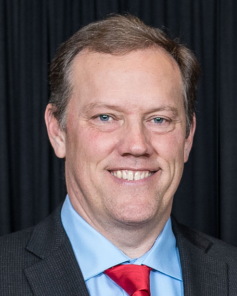
Dr. Eric Shusta
UW-Madison College of Engineering
Dr. Shusta received his Ph.D. from the University of Illinois where he studied the production and engineering of antibodies and T-cell receptors using yeast. He followed this with postdoctoral training at the University of California-Los Angeles where he helped pioneer molecular level analyses of the blood-brain barrier. Currently, Dr. Shusta is the Howard Curler Distinguished Professor in Chemical and Biological Engineering at the University of Wisconsin-Madison. He is also appointed in the Department of Neurological Surgery. His research focuses on the development of molecular and cellular engineering tools that can help gain a better understanding of blood-brain barrier transport, function and therapeutic delivery. He is a steering council member of the International Brain Barriers Society and has been recognized by an NSF Career award, the American Chemical Society BIOT division young investigator award, the Biotechnology Progress Award for Excellence in Biological Engineering Publication and is an elected fellow in the American Institute for Medical and Biological Engineering, among other awards.
Talk Title: Forward programming identifies inducers of blood-brain barrier properties in human pluripotent stem cell-derived endothelial cells.