Grand Awards and Binational Awards
 | Philippe PoulinPaul Pascal Research Center, University of Bordeaux Achille Le Bel Award 2023 |
 | Didier BourissouLaboratory of Fundamental and Applied Heterochemistry, University of Toulouse Achille Le Bel Award 2025 |
 | Anne ImbertyCenter for Research on Plant Macromolecules, Grenoble Alpes University Pierre Süe Award 2025 |
 | Philippe MieleEuropean Institute of Membranes, National Graduate School of Chemistry of Montpellier, University of Montpellier Pierre Süe Award 2025 |
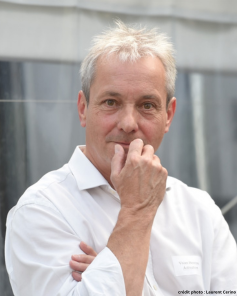 | Vivien HenryonPresident, ACTIVATION SAS Félix Trombe Award 2025 |
 | Véronique GouverneurUniversity of Oxford Franco-British Award 2025 |
 | Daniel NoceraHarvard University Franco-American Award 2025 |
 | Daniel GrykoPolish Academy of Sciences Franco-Polish Award 2025 |
 | Louis FensterbankCollege of France Achille Le Bel Award 2025 BiographyLouis Fensterbank obtained his PhD in 1993 from SUNY Stony Brook under the guidance of Scott Sieburth. After a lecturer position at the Université Pierre & Marie Curie (UPMC), he was appointed in 1995 as a CNRS Chargé de Recherche in Max Malacria’s lab. In 2004, he became Professor at UPMC, now Sorbonne Université. His research interests concern the discovery of new molecular transformations relying on radical or organometallic processes and their applications to the synthesis of substrates with relevant properties.Co-author of more than 250 publications, he has received several awards, notably the Silver Medal of CNRS in 2017. He is Fellow of the Royal Society of Chemistry and member of the Academia Europaea. In 2023, he was elected at Collège de France and he holds the Activations in Molecular Chemistry Chair.
|
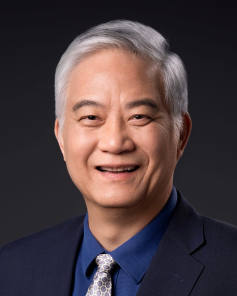 | Ben Zhong TangChinese University of Hong Kong, Shenzhen French-Chinese Award 2025 BiographyTang received his BS and PhD degrees from South China University of Technology and Kyoto University in 1982 and 1988, respectively. He conducted postdoctoral research at University of Toronto in 1989–1994. He joined the Hong Kong University of Science & Technology as an Assistant Professor in 1994 and was promoted to Chair Professor in 2008. In 2021, he joined the Chinese University of Hong Kong, Shenzhen, as Dean of School of Science and Engineering, with a concurrent appointment of X.Q. Deng Presidential Chair Professor. Tang is mainly engaged in the study of materials science, polymer chemistry, and biomedical theranostics. He coined the concept of aggregation-induced emission (AIE), and his team is spearheading the AIE research in the world. Tang was elected to Chinese Academy of Sciences, World Academy of Sciences for the Advancement of Science in Developing Countries, Asia Pacific Academy of Materials, International Union of Societies for Biomaterials Science and Engineering, and American Institute for Medical and Biological Engineering. Tang has published >2,500 research papers. His publications have been cited ~250,000 times, with an h-index is 218 (Google Scholar, as of 10 Feb 2026). He has delivered >500 invited talks at international conferences. He has been granted >460 technical patents with 28 technology transfers. He is currently serving as Editor-in-Chief of Aggregate published by Wiley and is sitting in the editorial boards of >20 scientific journals. Tang has received many awards, including Tang Aoqing Chemistry Award (2026), CCS– SINOPEC Award (2024), Biomaterials Global Impact Award (2023), Nano Today Award (2021), National Natural Science Award (2017), Ho Leung Ho Lee Foundation Scientific & Technological Progress Award (2017), and Croucher Senior Research Fellowship Award (2007). |
Plenary speaker
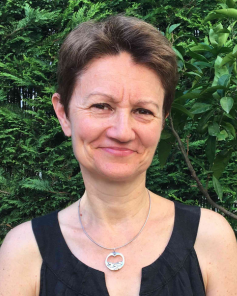 | Anna ProustParis Institute of Molecular Chemistry, Sorbonne University |
Claude GrisonLaboratory of Bio-Inspired Chemistry and Ecological Innovations, University of Montpellier BiographyClaude Grison is a Research Director at the French National Centre for Scientific Research (CNRS), a Visiting Professor at the Collège de France, and Director of the Laboratory of Bio-inspired Chemistry and Ecological Innovations. Claude Grison is an eco-chemist dedicated to developing nature-based solutions to address biodiversity loss. Her research has given rise to a new interdisciplinary field at the intersection of scientific ecology and bio-inspired chemistry. This holistic approach to sustainable development relies on the ecological restoration of polluted or degraded terrestrial and aquatic ecosystems, the conservation of wetlands threatened by invasive alien species, and the innovative chemical valorization of the phytotechnologies developed through this work, a process known as “ecocatalysis.” This combination of chemistry and ecology in the service of biodiversity represents a unique opportunity to provide concrete solutions to global environmental challenges. Her molecular perspective as a chemist has enabled her to approach scientific ecology from a mechanistic and functional standpoint while integrating an economic dimension, leading to the creation of three companies. Conversely, her ecological approach has brought significant advances to chemistry by incorporating the concepts of eco-responsibility, bio-inspiration, and an essential societal dimension. Her research has led to the creation of three companies. She is the author of 210 publications and books, holds 46 patents, and has delivered 270 lectures. Her work has been recognized with 15 scientific awards, including the Women of Influence Award (Economy) in 2023, the European Inventor Award in 2022, the A. Joannides Prize of the French Academy of Sciences in 2016, the Human-Nature Prize of the Sommer Foundation in 2016, and the CNRS Innovation Medal in 2014. She is a member of the French Academy of Sciences, the French National Academy of Pharmacy, and Academia Europaea. |

Organic Chemistry Division (DCO)

| Aurélie ClarazInstitute of Chemistry of Natural Substances, Paris-Saclay University |

| Jérémy MeradInstitute of Molecular and Supramolecular Chemistry and Biochemistry, Claude Bernard University Lyon 1 BiographyJérémy obtained his Master’s degree at the University of Montpellier in 2012 before joining the University of Aix-Marseille (iSm2) to complete a PhD under the supervision of Prs. Cyril BRESSY and Jean-Marc PONS. His research focused on the development of new methods in enantioselective organocatalysis exploiting enantioselectivity amplification processes based on Horeau’s principle (deymetrization and kinetic double splitting of acyclic diols).
After defending his thesis at the end of 2015, Jérémy joined Prof. Nuno MAULIDE’s group at the University of Vienna as a postdoctoral researcher, where he studied the reactivity of isothiouronium salts in thioetherification and olefination reactions. In 2017, he returned to France to begin a second postdoctoral fellowship in Dr Géraldine MASSON’s group at the Institut de Chimie des Substances Naturelles (ICSN), working on various projects related to enantioselective organocatalysis and photoredox catalysis. In 2018, Jérémy was appointed Maître de Conférences at Université Claude Bernard Lyon 1, where he conducts research within the Institut de Chimie et Biochimie Moléculaires et Supramoléculaires (ICBMS – SCORE team). His research aims to explore new modes of activation in molecular catalysis by combining organocatalysis and photocatalysis (ANR JCJC 2020, Emergence@CNRSChimie 2025). His work focuses in particular on the use of radical organocatalysts, generated by light irradiation in the visible range, to selectively convert abundant substrates into high value-added molecules. The study of the reaction mechanisms associated with these transformations is also a central focus of his research. In 2025, his work was rewarded with the Jean Normant Prize from the Organic Chemistry Division of the SCF. |

| Aurélien De la TorreInstitute of Molecular Chemistry and Materials of Orsay, Paris-Saclay University BiographyAurélien de la Torre studied at ENSCM in Montpellier. He obtained his PhD in 2014 from the University of Montpellier, during which he carried out the total synthesis of several isofuranoids under the supervision of Drs. Camille Oger and Jean-Marie Galano. After a first postdoctoral fellowship in Prof. Nuno Maulide’s group (University of Vienna) and a second in Prof. Ilan Marek’s group (Technion – Israel Institute of Technology), he was recruited as a CNRS Chargé de Recherche at the Institut de Chimie Moléculaire et des Matériaux d’Orsay (ICMMO). His research interests include total synthesis, asymmetric catalysis, cascade reactions and rearrangements. In 2024 he received the EuChemS Young Investigator Award and an ERC Consolidator Fellowship, and in 2025 the DCO Jean-Pierre Sauvage Prize.
|

| Nicolas GiusepponeCharles Sadron Institute, University of Strasbourg BiographyNicolas Giuseppone is an exceptional professor at the University of Strasbourg and a member of the Institut Universitaire de France. He has led a CNRS research team since 2008 at the Institut Charles Sadron (UPR 22), and was director of the Fédération de Recherche sur les matériaux et les nanosciences for the Grand Est region from 2018 to 2023.
His research focuses on supramolecular chemistry, molecular machines and functional materials. He is the recipient of numerous scientific awards, including the CNRS Silver Medal (2024), and the European Commission’s ERC Starting (2010) and Advanced (2025) Grants. |

| Lucas PopekLaboratory of Molecular Innovation and Applications, University of Strasbourg BiographyLucas Popek, born in 1998, graduated with a Master’s degree in Molecular Chemistry from UHA’s FST in Mulhouse in 2021. In the same year, after a 6-month internship at the Laboratoire d’Innovation Moléculaire et Applications (LIMA UMR 7042) in the BSM team, under the supervision of Dr. Bizet and Dr. Blanchard, he obtained thesis funding from the ED222 of Strasbourg to pursue a thesis in the same team.
His thesis work focused on the synthesis and reactivity of the pentafluorosulfanyl group (SF 5 ) from SF 5 alkynes, which are versatile molecular building blocks. His work has led to a more efficient and general synthesis of SF 5 alkynes, and in particular to the synthesis of SF 5 ynamides, which are highly polarized and reactive push-pull systems. This aspect of polarity induced by the highly electron-withdrawing SF 5 group was at the heart of his thesis project to develop highly regio- and stereoselective reactions, such as hydroelementation reactions, the synthesis of 2-SF 5 -indenols or the stereodivergent hydrohalogenation of SF 5 -alkynes. He is currently pursuing his research as a post-doctoral fellow in Prof. Dr. Christopher Teskey’s team at the Technical University of Braunschweig, where he is working on cobalt hydride photoinduced hydrogen atom transfer (Co-HAT) reactions. |
 | Estelle MetayInstitute of Molecular and Supramolecular Chemistry and Biochemistry, Claude Bernard University Lyon 1 |
 | Isabelle GillaizeauInstitute of Organic and Analytical Chemistry, University of Orléans |
 | Paola B. ArimondoPasteur Institute |
Division Industrial Chemistry (DCI)
 | Nicolas RoquesENSCM BiographyTrained as a chemist (ENSCM) and holding a PhD in Organic Chemistry from the University of Lyon, I began my research career with an industrial doctoral project conducted with Rhône-Poulenc on the valorization of trifluoroacetic acid as a trifluoromethylation agent, which led to the development of a new production process for triflic acid. I then continued my research career in the chemistry of organofluorine compounds and aromatic functionalization within the Rhône-Poulenc/Rhodia R&D Lyon center, before moving toward process development for the pharmaceutical, agrochemical, and flavors & fragrances markets. After 16 years in the pharmaceutical industry (Pierre Fabre and Servier), where I held various technical and managerial positions related to the development and industrialization of active pharmaceutical ingredients, I joined Solvay — now Syensqo — to contribute to innovation in organic chemistry applied to advanced materials. Today, I support the creation of innovative organic solutions and materials for diverse markets, including optics, energy, batteries, and Home & Personal Care. |
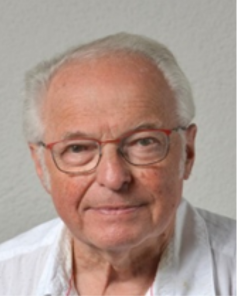 | Joël BarraultBiographyJoel Barrault is an Honorary Research Director at the CNRS specializing in sustainable chemistry, catalysis, eco‑design, and biomass valorization. His early work focused on heterogeneous catalysis applied to alcohol sulfhydrolysis in partnership with industry. He then expanded his research to the energy sector (Fischer–Tropsch, activation of C1 molecules such as CH₄ and CO₂) and to environmental applications (wastewater treatment, VOC and CFC substitute removal). Over the past decades, his main activity has centered on developing renewable resources for energy (biofuels), specialty chemicals, cosmetics, agriculture, and healthcare. This includes extraction–fractionation processes, heterogeneous catalytic reactions, and unconventional activation methods such as plasma–catalysis coupling, supported by kinetic and mechanistic studies. Committed to multidisciplinary innovation, he has built numerous academic and industrial collaborations and contributed to the creation of regional technology centers. He also co‑founded major international conferences, including Heterogeneous Catalysis and Fine Chemistry and the International Symposium on Green Chemistry (ISGC). His work has led to 350+ publications and 60 patents, in collaboration with permanent staff and over 70 doctoral and postdoctoral researchers. |
 | Grégory Chatel |

| Michel PhilippeIndustrial Chemistry Division BiographyMichel obtained his doctoral degree in Natural Substances Chemistry at the Paris-Sud University in 1984 and spent a great portion of his career working as a Sustainable Innovation Manager at L’Oréal group. He has participated in the filing of 135 patents and the publication of more than 50 articles and posters and has spoken in more than 50 oral communications in International Conferences, mainly in the fields of Green Chemistry and Bio-Based Materials. In 2020, he took the knowledge and experience gained throughout his career and became an independent consultant in Eco-Design, Green Chemistry and Natural Raw Materials Evaluation. He is currently Vice-President of the Industrial Chemistry Division of the “Société Chimique de France” and also an AFNOR/ISO expert in the standardization of naturalness in cosmetics. |
 | Garance LopitauxMichelin Group BiographyShe joined the Michelin group in 2001, after completing a chemical engineering school and obtaining a PhD in the field of physico-chemistry of polymers for ArianeGroup. Throughout her career in materials research and development at Michelin, she has held various positions within the company. Her work has focused on researching new raw materials, including innovative elastomers and resins, as well as designing rubber compounds with advanced material structures to enhance mechanical and physical properties and tire performance. Currently, she leads a research program dedicated to sustainable monomers as part of Michelin’s sustainability strategy. |
 | Anne-Lise ThuilliezMichelin Group BiographyAnne-Lise joined the Michelin Group in 2010 after completing her studies in materials chemistry engineering. She earned a PhD in physical chemistry of polymers focused on biomedical applications with bioMérieux company, followed by a post-doctoral research position for BASF Coatings where she specialized in formulating innovative coatings.
Throughout her career at Michelin, Anne-Lise has contributed for eleven years to numerous groundbreaking R&D projects focused on the materials formulations for future-driven tires, where she designed innovative technologies and authored around fifty patents. She has demonstrated cross-functional management skills and has proposed a compelling vision for her field. After a couple of years in HR as a recruiter for R&D, Anne-Lise transitioned to the elastomers sector, where she started as a manager and became the director of the department. Currently, she leads a research department dedicated to design, development and industrialization of new elastomers for innovative tires, all part of Michelin’s “All Sustainable” strategy. |
 | Michael LuescherNovartis BiographyMichael U. Luescher completed his Ph.D. in organic chemistry with Prof. Christian Bode at ETH Zürich (Switzerland). He subsequently conducted postdoctoral research with Prof. Pamela Silver Balskus at Harvard University (United States), focusing on the development and understanding of biocatalytic reactions. In 2021, Michael joined Novartis as a synthesis chemist in Process Research, alongside an additional role supporting the Novartis Environmental Sustainability Strategy (ESS). His work focuses on developing robust tools and procedures to measure, predict, and simulate the environmental impact of chemicals and chemical processes. Through these efforts, he supports process development teams and the broader chemical community, contributing to the harmonization of sustainability practices across the industry. In close collaboration with regulatory groups and external consortia, Michael works toward standardized and meaningful sustainability assessments that adopt a comprehensive perspective encompassing both environmental and social dimensions. A key aspect of his role is ensuring that evolving regulations on chemical substances—such as substances of concern, substances of very high concern (SVHC), per- and polyfluoroalkyl substances (PFAS), and the Urban Wastewater Treatment Directive—are systematically integrated and monitored throughout chemical development at Novartis. |
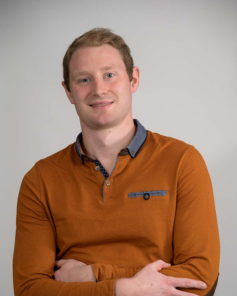 | Guillaume LemahieuVerder BiographyGuillaume Lemahieu obtained an engineer master’s degree of the graduate chemistry school of Lille (France) in 2017. During the same year, he was graduated of two other masters from University of Lille (France) and from Regensburg University (Germany) into the field of colloidal and physical chemistry. In 2020, he obtained his PhD degree after three years of research in collaboration with Total Energies and the University of Lille (France) on the selection of surfactants for Enhanced Oil Recovery. He joined Formulaction as Application Researcher in 2021, before specializing as Lead Application Developer in 2023 with the mission to find other markets of interest, improve characterization instruments and support Formulaction and Microtrac customers, as well as the sales network in France, Europe and USA. Until now, he authored and co-authored 13 international scientific papers in the field of colloidal science. His research is mainly focused on physical and colloidal stability of formulations, on predictive algorithms and models for formulation screening, and on the behavior of surfactants at interfaces. |
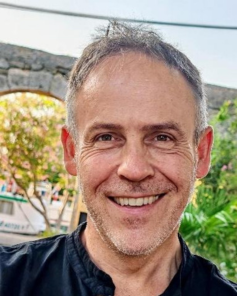 | Frédéric AugusteL’Oréal BiographyFrédéric holds a PhD in chemistry from the University of Bordeaux I. After completing a PhD in physical chemistry on organized surfactant phases at the Centre de Recherche Paul Pascal (CNRS) in Pessac, he joined L’Oréal Research in 1995 as an engineer in applied physical chemistry for makeup, where he developed deep expertise in formulation science. After more than 8 years working on understanding the mechanisms of stability and performance across a wide range of cosmetic formulations, he moved to makeup development laboratories, where he led for 5 years a laboratory dedicated to lip products, followed by 3 years leading a laboratory focused on powders and eyeshadows. Since 2017, Frédéric Auguste has been heading L’Oréal’s Science of Formulation (SOF) team, whose mission is to support business units in strengthening their skills in physical chemistry and, more broadly, in formulation science, in order to ensure quality and accelerate the transformation of their innovations in the context of the major Beauty 2030 transitions. A member of the Scientific Council of the Formulation Group (SCF), he is actively involved in promoting the visibility and attractiveness of the discipline. |
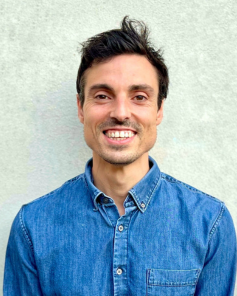 | Camille Bakkali-HassaniUniversity of Montpellier BiographyCamille Bakkali-Hassani is a CNRS research scientist at the Charles Gerhardt Institute of Montpellier (ICGM, UMR 5253), in the Macromolecular Chemistry & Materials team. After completing a PhD at the University of Bordeaux on ring-opening polymerization using a monomer activation strategy, he carried out a postdoctoral fellowship at Monash University (Melbourne, Australia) focusing on ring-opening polymerization of cyclic esters under continuous flow and via organocatalysis. In 2020, he joined ESPCI Paris as a postdoctoral researcher במסגרת the European project “SHeRO: Self-Healing Materials for Soft Robotics,” where he employed enzymatic catalysis for the synthesis of self-healing elastomeric materials. In 2022, he joined the ICGM laboratory, where his research focuses in particular on the behavior of catalysts in crosslinked matrices by combining molecular-level approaches with studies of thermomechanical and rheological properties, with special attention to the use of bio-based monomers or those derived from chemical recycling. |
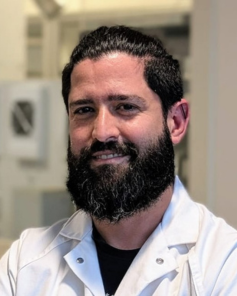 | Roberto CompanySyensqo BiographyRoberto Company is currently an R&I Project Manager within the Syensqo Group. He has 12 years of experience in R&D, project management, and industrialization, with strong expertise in surfactants, emulsions, and formulation. He has worked across specialty chemicals, cosmetics/personal care, and automotive catalysis. His skill set includes project leadership, as well as the management and interpretation of data generated by automated platforms, and the development of AI- and robotics-assisted experiments, particularly for the design of new molecules for shampoos and other cosmetic products. He holds a PhD in physical chemistry from the École Nationale Supérieure de Chimie de Lille and a chemical engineering degree from the Universidad de Los Andes. |
 | Nicole GilonInstitute of Analytical Sciences, Lyon |
Sustainable chemistry Interdivision (DivCD)

| François JérômeInstitute of Chemistry of Environments and Materials of Poitiers, University of Poitiers |
|
| Michel PhilippeIndustrial Chemistry Division BiographyMichel earned his PhD in natural products chemistry from the University of Paris-Sud in 1984 and spent a large part of his career working as Head of Sustainable Innovation within the L’Oréal Group. He contributed to the filing of 135 patents and to the publication of more than 50 articles and posters, and delivered over 50 oral presentations at international conferences, mainly in the fields of Green Chemistry and Bio‑based Materials. In 2020, he leveraged the knowledge and experience gained throughout his career to become an independent consultant in ecodesign, green chemistry, and the evaluation of natural raw materials. He is currently Vice-President of the Industrial Chemistry Division of the French Chemical Society and an AFNOR/ISO expert for the standardization of naturality in cosmetics.
|

| Julien LegrosOrganic and Bioorganic Chemistry Laboratory: Reactivity and Analysis, University of Rouen BiographyJulien Legros is CNRS Research Director since 2018 (PhD 2002 on organofluorine chemistry with Jean-Pierre Bégué at the Faculty of Pharmacy Paris South / Postdoc 2002-2004 on enantioselective sulfoxidation with Carsten Bolm at RWTH-Aachen / CNRS Researcher 2004 at BioCIS laboratory then moving in 2011 to COBRA laboratory in Rouen). Currently acting as Head of the CNRS French Network on Flow Chemistry (GDR Synth Flux) and Head of the Institut CARMeN UMR 6064 in Normandy (merging of former COBRA/LCMT laboratories), his research is oriented toward the use of miniaturized continuous flow reactors for methodological development in organic and organometallic chemistry with applications in the detoxification of chemical warfare agents and the synthesis of active pharmaceutical ingredients (>100 publications). |
 | Aurélie Boulegue MondiereR&I, Elkem Silicones, Lyon |
 | Sébastien BontempsCoordination Chemistry Laboratory, University of Toulouse |
 | Anne WadouachiLaboratory of Glycochemistry and Agroresources, Amiens University of Picardie Jules Verne BiographyAnne Wadouachi is Full Professor in Green Organic Chemistry at the University of Picardie Jules Verne since 2011. Her research interest include the development of sustainable chemical modifications of free carbohydrates (mono- and oligosaccharides), particularly through green strategies using microwave-assisted syntheses, mechanosynthesis and (nano)catalysis to obtain platforms molecules and high-added value carbohydrates derivatives for biomedical applications.
|
 | Noémie PerretIRCELYON, Research Institute for Catalysis and Environment, Claude Bernard Lyon 1 University |
 | Daniel TatonLaboratory of Polymer Chemistry (LCPO), EMSMAC, University of Bordeaux BiographyDaniel Taton received his Ph.D. in 1994 from Pierre and Marie Curie University (Paris 6). holds a professorship position at the University of Bordeaux, and develops his research activities at the LCPO. His research works are at the interface of catalysis and macromolecular synthesis, and a special emphasis in the field of organic catalysis of polymerization. They have progressively evolved toward integrated approaches to a more sustainable chemistry, through the design of polymers with programmed deconstruction, on the one hand, and on the development of for post-modification strategies and chemical recycling of robust polymers, and this will be the topic of his lecture today. He has co-authored bout 160 publications in peer-review journals, 15 book chapters and has filed 22 patents. |
 | Michael LuescherNovartis |
 | Gabrielle VeroneseResearch Director, INRAE Toulouse Biotechnology Institute |
Polymers and Materials Division (DPM)

| Daniel GrandeCharles Sadron Institute, University of Strasbourg BiographyDaniel Grande is a CNRS Research Director at the Charles Sadron Institute (ICS) in Strasbourg. In January 2024, he was appointed Deputy Director of the institute and subsequently became Director in July 2024. Prior to his current position, he served as Director of the Institute of Chemistry and Materials Paris-Est (ICMPE, Thiais) from 2020 to 2023. He also chaired the “Soft Matter” section of the CNRS National Committee from 2021 to 2025.
He obtained his PhD in Polymer Chemistry from the University of Bordeaux (France) and the University of Coahuila (Mexico) in 1998, and then spent nearly two years as a NIH-funded postdoctoral researcher at Emory University (Atlanta, USA). His research interests include the development of functional polymer materials with a wide range of porosity scales, including nanoporous materials with controlled porosity and functionality derived from polymer networks and nanostructured block copolymers, dual-porosity materials combining nano- and macroporosity, as well as hybrid macroporous materials based on polymer fibers and inorganic nanoparticles. |

| Fouzia BoulmedaisCharles Sadron Institute, University of Strasbourg BiographyFouzia Boulmedais obtained her PhD in chemistry and physical chemistry in 2003 from Louis Pasteur University (Strasbourg, France). In 2004, she carried out postdoctoral research with Marcus Textor’s group at ETH Zurich (Switzerland) and with Gleb Sukhorukhov at the Max Planck Institute (Golm, Germany), focusing on the electrodissolution of polyelectrolyte multilayers. After a second postdoctoral position with Valérie Marchi on the functionalization of quantum dots, she joined the CNRS as a researcher at the Charles Sadron Institute in Strasbourg in 2006, where she obtained her Habilitation to Supervise Research in 2010.
Her research focuses on the use of electrical stimuli to trigger the construction of polymer films, as well as on polysaccharide- and protein-based films for antibacterial coatings. She is the co-author of 130 publications and 5 patents. In 2013, she received the Young Researcher Award from the Physical Chemistry Division, jointly awarded by the French Chemical Society and the French Physical Society. In 2024, she was awarded the Jean-Pierre Pascault Prize by the French Polymer Group. She is currently the coordinator of the Interdisciplinary Thematic Institute “Hierarchical and Functional Materials for Health, Environment and Energy” (HiFunMat), which brings together 250 members from 9 laboratories. |

| Florence Bally Le GallInstitute of Materials Science of Mulhouse, University of Haute-Alsace BiographyAfter a PhD in polymer chemistry at the University of Strasbourg in 2011 and a two-year post-doctorate on the development of functional polymer surfaces at the Karlsruhe Institute of Technology (Germany), Florence Bally-Le Gall joined the University of Haute-Alsace in 2013 as a Senior Lecturer. Her research activities at the Institut de Science des Matériaux de Mulhouse (IS2M, UMR 7361) focus on surface engineering, and more specifically on the synthesis of functional polymer thin films by plasma polymerization. She is developing eco-efficient surface functionalization strategies to synthesize tailor-made coatings to target high-value-added usage properties (antibacterial coatings, superhydrophobes, hydrogels, thermally stimulable to generate reversible covalent adhesion between two materials, among others). The aim of his work is to understand the relationship between the structure of the functional polymer thin film and the behavior of the coating in its environment (gaseous, liquid, solid or biological).
|
 | Daniel TatonOrganic Polymer Chemistry Laboratory (LCPO), ENSMAC, University of Bordeaux BiographyDaniel Taton received his Ph.D. in 1994 from Pierre and Marie Curie University (Paris 6). holds a professorship position at the University of Bordeaux, and develops his research activities at the LCPO. His research works are at the interface of catalysis and macromolecular synthesis, and a special emphasis in the field of organic catalysis of polymerization. They have progressively evolved toward integrated approaches to a more sustainable chemistry, through the design of polymers with programmed deconstruction, on the one hand, and on the development of for post-modification strategies and chemical recycling of robust polymers, and this will be the topic of his lecture today. He has co-authored bout 160 publications in peer-review journals, 15 book chapters and has filed 22 patents. |
Coordination Chemistry Division (DCC)
 | Rafael Gramage-DoriaRennes Institute of Chemical Science BiographyRafael Gramage-Doria has been a CNRS researcher at Institut des Sciences Chimiques de Rennes in the Université of Rennes (France) since 2015. He received his PhD from the University of Strasbourg, followed by postdoctoral appointments in the University of Amsterdam and Nagoya University. His research interests include transition metal catalysis for fine chemicals and green chemistry applications, C–H bond functionalization, supramolecular and coordination chemistry, and supramolecular and bio-inspired catalysis. His contributions have been recognized by the French Chemical Society SCF (Young Investigator DCC award 2025 and SCF junior distinguished fellow 2024).
|
 | Olivier MauryENS Lyon BiographyOlivier Maury (56 y.o.) was graduated from École Nationale Supérieure de Chimie de Paris in 1993 and completed his Ph.D. on uranium organometallic chemistry (1997, M. Ephritikhine, Saclay). After a postdoct in catalysis (J.-M. Basset, Lyon), he got a CNRS position in 1999 at the University of Rennes in the group of H. Le Bozec. In 2004, he moved to École Normale Supérieure de Lyon where he founded his own group. His current research interests concern the design of lanthanides containing molecular materials with optimized luminescence, chiroptic and nonlinear optical properties towards biological applications (imaging and protein crystallization).
|
 | Hélène BertrandENS Sorbonne University BiographyHelene C. Bertrand received her Ph.D. in Molecular Chemistry at Université Pierre et Marie Curie (now Sorbonne University) in 2008 (supervised by M.-P. Teulade Fichou and D. Fichou). She carried out her postdoctoral research at the School of Pharmacy (University College London, 2009-2011, G. Wells) and at the Institut des Sciences Moléculaires in Bordeaux (2011, S. Quideau), before joining Sorbonne University as an Assistant Professor in 2011. She was a visiting scientist at NTU Singapore between 2017 and 2020. Since 2025, she is a Full Professor at Sorbonne University. She carries her research at the Laboratoire Chimie Physique et Chimie du Vivant (https://ens-bic.fr/) in the METHROX team. Her research interests lie in the field of bioinorganic medicinal chemistry and include chemotherapy induced peripheral neuropathy.
|
 | Anne DolbecqVersailles Lavoisier Institute, University of Versailles Saint-Quentin-en-Yvelines BiographyAnne Dolbecq was a student at Ecole Normale Supérieure Ulm from 1988 to 1992. During her master and doctoral studies, she worked under the supervision of Patrick Batail on organic-inorganic constructions based on functionalized TTF radical salts and obtained her PhD from Université Paris XI (now Paris-Saclay) in 1995. After her PhD, she undertook a postdoctoral stay at the University of California, Berkeley, in the group of Angelica Stacy where she developed researches on molten salt synthesis, structural and magnetic characterizations of cobalt and rhodium oxides. In 1996 she was appointed as an ATER at Université Paris VI (now Sorbonne Université) in the group of Michel Verdaguer, working on Co-Fe Prussian blue analogues. She joined the CNRS in 1997 at the Institut Lavoisier de Versailles, UVSQ where she is now Directrice de recherche. Her current research interests are related to functionalized polyoxometalates, polyoxometalate and MOF-based materials for applications ranging from catalysis to optical and bioactive materials..
|
 | Claire KammererCEMES University of Toulouse BiographyClaire Kammerer obtained her PhD in 2009 from the University Pierre and Marie Curie (now Sorbonne University) under the supervision of Prof. G. Poli and Prof. G. Prestat, working on transition metal-catalyzed domino reactions. Next, she joined Prof. T. Bach’s group at the Technical University of Munich (TUM) as an A. von Humboldt fellow to work on the total syntheses of (+)-bretonin B and (-)-pulvomycin. In 2012, she was appointed Maître de Conférences at the University of Toulouse and joined the NanoSciences Group at CEMES (UPR CNRS 8011). Her current research interests span from the design and synthesis of molecular machines to be investigated at the single-molecule scale, to the development of novel reactivities on surfaces.
|
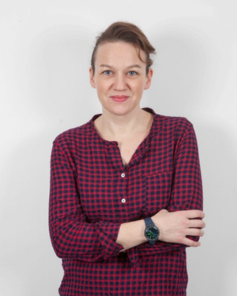 | Marine Desage-El MurrInstitut of Chemistry of Strasbourg, University of Strasbourg |
RJ-SCF
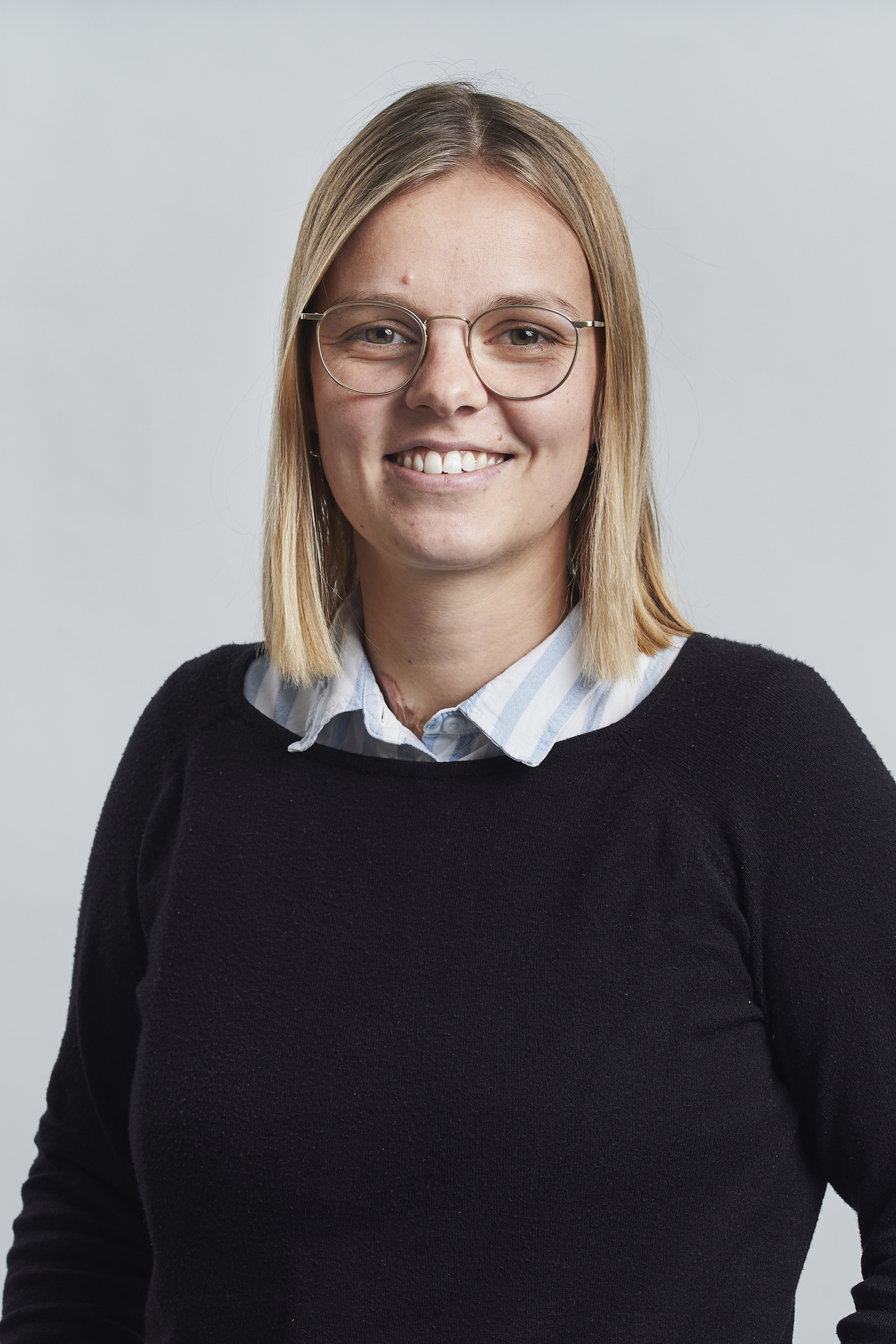 | Schirin HanfKarlsruhe Institute of Technology, Germany BiographySchirin Hanf is an early career researcher and currently working as junior professor at the Karlsruhe Institute of Technology. Her research builds on her expertise in fundamental inorganic chemistry gained during her PhD at the University of Cambridge and her knowledge in heterogeneous catalysis and chemical engineering, which she acquired during her industrial PostDoc at BASF. In her present research group, Schirin Hanf is working on topics from coordination chemistry and homogeneous catalysis, heterogenized catalysts to purely heterogeneous catalytic systems. Hereby, the use of phosphorus-based compounds, as ligands, surface stabilisers or in the form of metal phosphides, plays a key role.
|
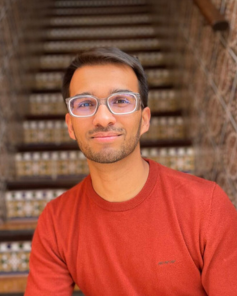 | Robin WeissUniversity of Caen Normandie BiographyRobin Weiss graduated with an MSc from the University of Strasbourg, France. After completing a preparation for Agrégation of Chemistry, he pursued doctoral studies in the group of Prof. Patrick Pale at the University of Strasbourg. In early 2021, he completed his PhD degree dedicated to the study of non-covalent interactions in solution. Then, he took up a postdoctoral position in the group of Prof. Aloïs Fürstner in the Max-Planck Institut für Kohlenforschung, Germany. There, he developed novel gem-hydrogenation methodology based on ruthenium-vinyl carbenes for C-H activation. In 2022, he moved back to Strasbourg, where he joined the group of Prof. Loïc Jierry at the Institut Charles Sadron, France. During this time, he worked in the field of soft-mechanochemistry. In early 2024, he began an independent career as a Junior Professor at the University of Caen Normandie in the Institut de Chimie Analytique et Réactivité Moléculaire en Normandie – CARMeN. His research interests cover non-covalent interactions, main-group chemistry and asymmetric homogeneous catalysis. In recognition of his achievements, he has received the 2022 René Dabard PhD Prize for significant progress in the area of organocatalysis, and, later in 2025, the ANR JCJC grant.
|
Solid State Chemistry (SSC)
 | Stefania CacovichPhotovoltaic Institute of Île-de-France BiographyDr Stefania Cacovich is a CNRS Research Scientist at the Institut Photovoltaïque d’Île-de-France (IPVF). Her work focuses on the advanced physicochemical characterization of hybrid and inorganic materials for photovoltaics, particularly perovskites, by combining multi-scale and multi-technique approaches. She completed her PhD (2014–2018) in the Department of Materials Science at the University of Cambridge (United Kingdom), where she investigated the properties of hybrid thin films and photovoltaic devices using analytical electron microscopy. In 2018, she joined IPVF as a postdoctoral researcher, working on multidimensional photoluminescence imaging. From 2020 to 2022, she was awarded a Marie Skłodowska-Curie Fellowship at CNRS for a project on fundamental photophysical processes in optoelectronic devices. Her research aims to improve the stability and efficiency of solar cells by investigating degradation mechanisms, interfacial recombination phenomena, and passivation strategies. She also develops artificial intelligence-based approaches for the analysis of complex datasets. A member of the CNRS National Committee (2025–2029), she was awarded the CNRS Bronze Medal in 2025.
|
 | Sandrine PerruchasJean Rouxel Institute of Materials, University of Nantes BiographySandrine Perruchas obtained her Ph.D. in inorganic chemistry and molecular materials in 2003 from the University of Nantes and the University of Angers. She then carried out a first postdoctoral stay at Cornell University (USA) under the supervision of Prof. Frank DiSalvo, followed by a second postdoctoral fellowship at the Institut de Ciència de Materials de Barcelona (ICMAB, Spain) with Professors Concepció Rovira and Jaume Veciana. She was appointed as a CNRS researcher in 2005 at the Laboratoire de Physique de la Matière Condensée at École Polytechnique (Palaiseau), before joining the Institut des Matériaux de Nantes Jean Rouxel in 2016, where she is currently a CNRS senior researcher. Her research focuses on photoactive hybrid materials based on copper(I) halides, with particular interest in their luminescence properties in response to external stimuli and in establishing structure–property relationships for sensing applications.
|
 | Moulay SougratiCharles Gerhardt Institute Montpellier, University of Montpellier BiographyMoulay Tahar Sougrati is a CNRS research engineer at the Institut Charles Gerhardt de Montpellier (ICGM). He is a specialist in Mössbauer spectroscopy applied to energy-related materials and has developed strong expertise in the mechanistic understanding of battery electrode materials, bridging fundamental structural insights with electrochemical performance. His current research focuses on electrochemical energy storage systems, with a strong emphasis on the circularity and sustainability of battery materials. He is particularly involved in the development of direct recycling and chemical regeneration strategies for end-of-life electrode materials, notably LiFePO₄ cathodes, through low-impact and energy-efficient processes. In parallel, he explores innovative approaches for graphite recycling from spent anodes. He works in close collaboration with academic and industrial partners, notably within the RS2E and ALISTORE-ERI networks.
|
 | Cédric TasselInstitute of Condensed Matter Chemistry of Bordeaux, University of Bordeaux BiographyCédric Tassel is a full professor at ENSMAC (Bordeaux INP) and at the Institut de Chimie de la Matière Condensée de Bordeaux (ICMCB) since 2024. He obtained his Ph.D. in 2010 from Kyoto University, where he subsequently pursued his academic career as a postdoctoral researcher, assistant professor and associate professor. He currently holds the CHESS-DREAME Chair (Nouvelle-Aquitaine), within which he develops research activities focused on the sustainability and recyclability of energy materials. His work primarily concerns the synthesis of inorganic materials using topochemical routes, high-pressure techniques and mechanosynthesis. He has a particular interest in mixed-anion materials, which he investigates to design innovative materials with optimized properties for energy storage applications.
|
 | Angel Arevalo-LopezUnit of Catalysis and Solid-State Chemistry, University of Lille BiographyAngel Arevalo-Lopez has worked with leading research groups in France, the United Kingdom and Spain. His expertise lies at the interface of quantum materials physics and chemistry, focusing on the synthesis and investigation of solids exhibiting novel electronic and magnetic properties. He has made major contributions to the discovery of new oxides with remarkable properties, including materials with unusual coordination environments such as A-site manganites, systems involving hard–soft chemistry, and complex spin orders. His work is at the forefront of materials research. He has extensive experience in materials synthesis, with particular expertise in high-pressure techniques, as well as in physical characterization methods including electronic transport measurements, magnetization, and neutron and X-ray scattering.
|
 | Anne DolbecqLavoisier Institute of Versailles, University of Versailles Saint-Quentin-en-Yvelines BiographyAnne Dolbecq was a student at Ecole Normale Supérieure Ulm from 1988 to 1992. During her master and doctoral studies, she worked under the supervision of Patrick Batail on organic-inorganic constructions based on functionalized TTF radical salts and obtained her PhD from Université Paris XI (now Paris-Saclay) in 1995. After her PhD, she undertook a postdoctoral stay at the University of California, Berkeley, in the group of Angelica Stacy where she developed researches on molten salt synthesis, structural and magnetic characterizations of cobalt and rhodium oxides. In 1996 she was appointed as an ATER at Université Paris VI (now Sorbonne Université) in the group of Michel Verdaguer, working on Co-Fe Prussian blue analogues. She joined the CNRS in 1997 at the Institut Lavoisier de Versailles, UVSQ where she is now Directrice de recherche. Her current research interests are related to functionalized polyoxometalates, polyoxometalate and MOF-based materials for applications ranging from catalysis to optical and bioactive materials.
|
 | Stéphane CélérierInstitute of Chemistry of Media and Materials of Poitiers, University of Poitiers BiographyStéphane Célérier is a CNRS Research Scientist at “Institut de Chimie des Milieux et Matériaux de Poitiers” (IC2MP), where he has been developing innovative materials for (electro)catalysis since 2007. He obtained his Habilitation to Supervise Research (HDR) in 2022. He earned his PhD in Materials Chemistry from Paul Sabatier University in Toulouse in 2005 at the CIRIMAT laboratory, followed by postdoctoral research at the “Institut des Matériaux Jean Rouxel de Nantes” (IMN), where he specialized in advanced functional materials for electrochemical energy systems. Throughout his career, his research has been driven by the design and understanding of functional inorganic materials for sustainable energy and green chemistry. His early work focused on solid oxide and protonic ceramic fuel cells, contributing to the development of electrode/electrolyte materials. After joining CNRS, he expanded his research toward heterogeneous catalysis, notably through the development of solid catalysts, including mixed- anion materials containing fluorine, for selective gas-phase fluorination and for biomass valorization, addressing key challenges in sustainable chemical processes. Over the past decade, Stéphane Célérier has developed a strong and recognized expertise in MXenes, a rapidly emerging family of two-dimensional transition metal carbonitrides. His work explores the synthesis, functionalization, and integration of MXenes and their composites into catalytic and electrocatalytic systems. These materials are investigated for their exceptional tunability and surface reactivity, with applications spanning energy conversion, including electrolyzers and metal–air batteries, and thermal catalysis (NH3 synthesis, CO2 conversion…). Positioned at the interface of materials chemistry, surface science, and catalysis, his research aims to establish structure–property relationships that enable the rational design of next- generation functional materials for (electro)catalysis. He has co-authored 45 peer-reviewed publications and has been actively involved in several national research initiatives, including seven projects funded by the French National Research Agency (ANR), two of which he has coordinated. He has established a broad network of national and international collaborations and contributes to the growing scientific community working on MXenes.
|
Energy Interdivision (EI)
| Stefania CacovichPhotovoltaic Institute of Île-de-France BiographyDr Stefania Cacovich is a CNRS Research Scientist at the Institut Photovoltaïque d’Île-de-France (IPVF). Her work focuses on the advanced physicochemical characterization of hybrid and inorganic materials for photovoltaics, particularly perovskites, by combining multi-scale and multi-technique approaches. She completed her PhD (2014–2018) in the Department of Materials Science at the University of Cambridge (United Kingdom), where she investigated the properties of hybrid thin films and photovoltaic devices using analytical electron microscopy. In 2018, she joined IPVF as a postdoctoral researcher, working on multidimensional photoluminescence imaging. From 2020 to 2022, she was awarded a Marie Skłodowska-Curie Fellowship at CNRS for a project on fundamental photophysical processes in optoelectronic devices. Her research aims to improve the stability and efficiency of solar cells by investigating degradation mechanisms, interfacial recombination phenomena, and passivation strategies. She also develops artificial intelligence-based approaches for the analysis of complex datasets. A member of the CNRS National Committee (2025–2029), she was awarded the CNRS Bronze Medal in 2025.
|
| Moulay SougratiCharles Gerhardt Institute Montpellier, University of Montpellier BiographyMoulay Tahar Sougrati is a CNRS research engineer at the Institut Charles Gerhardt de Montpellier (ICGM). He is a specialist in Mössbauer spectroscopy applied to energy-related materials and has developed strong expertise in the mechanistic understanding of battery electrode materials, bridging fundamental structural insights with electrochemical performance. His current research focuses on electrochemical energy storage systems, with a strong emphasis on the circularity and sustainability of battery materials. He is particularly involved in the development of direct recycling and chemical regeneration strategies for end-of-life electrode materials, notably LiFePO₄ cathodes, through low-impact and energy-efficient processes. In parallel, he explores innovative approaches for graphite recycling from spent anodes. He works in close collaboration with academic and industrial partners, notably within the RS2E and ALISTORE-ERI networks.
|
 | Aymeric CantonCEA Paris-Saclay BiographyAymeric Canton has been in charge of the Storage and Flexibility Solutions program within the CEA’s Energy Division since 2022. This program encompasses R&D activities on batteries and hydrogen technologies carried out by nearly 250 permanent research engineers across the various CEA institutes. Aymeric Canton obtained his PhD in Applied Mathematics from the University of Bordeaux (France), after which he spent a year at the University of California, Irvine as an assistant specialist. Upon returning to France, he worked for about ten years on high-performance numerical simulation applied to various physical problems within the CEA’s Military Applications Division, before joining the Nuclear Energy Division of the CEA (in Saclay) in 2012. After six years leading the software engineering and simulation laboratory, he became involved from 2018 onward in building an integrated vision of energy systems, which led in 2020 to the creation of the CEA Energy Division. He notably contributed to the development of a modeling platform for energy networks and the establishment of a shared database for low-carbon technologies. |
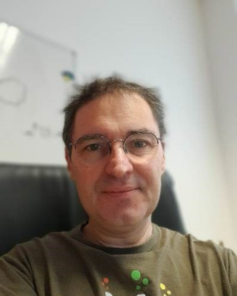 | Yann PellegrinNantes University, CNRS |
Catalysis Division
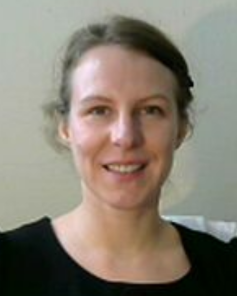 | Elise BerrierUnit of Catalysis and Solid-State Chemistry, University of Lille |
 | Sébastien BontempsCoordination Chemistry Laboratory, University of Toulouse |
| Estelle MetayInstitute of Molecular and Supramolecular Chemistry and Biochemistry, Claude Bernard University Lyon 1 |
 | Noémie PerretInstitute of Research on Catalysis and the Environment (IRCELYON), Claude Bernard University Lyon 1 |
 | Ludovic PinardCatalysis and Spectrochemistry Laboratory, ENSICAEN |
| Stéphane CélérierInstitute of Chemistry of Media and Materials of Poitiers, University of Poitiers BiographyStéphane Célérier is a CNRS Research Scientist at “Institut de Chimie des Milieux et Matériaux de Poitiers” (IC2MP), where he has been developing innovative materials for (electro)catalysis since 2007. He obtained his Habilitation to Supervise Research (HDR) in 2022. He earned his PhD in Materials Chemistry from Paul Sabatier University in Toulouse in 2005 at the CIRIMAT laboratory, followed by postdoctoral research at the “Institut des Matériaux Jean Rouxel de Nantes” (IMN), where he specialized in advanced functional materials for electrochemical energy systems. Throughout his career, his research has been driven by the design and understanding of functional inorganic materials for sustainable energy and green chemistry. His early work focused on solid oxide and protonic ceramic fuel cells, contributing to the development of electrode/electrolyte materials. After joining CNRS, he expanded his research toward heterogeneous catalysis, notably through the development of solid catalysts, including mixed- anion materials containing fluorine, for selective gas-phase fluorination and for biomass valorization, addressing key challenges in sustainable chemical processes. Over the past decade, Stéphane Célérier has developed a strong and recognized expertise in MXenes, a rapidly emerging family of two-dimensional transition metal carbonitrides. His work explores the synthesis, functionalization, and integration of MXenes and their composites into catalytic and electrocatalytic systems. These materials are investigated for their exceptional tunability and surface reactivity, with applications spanning energy conversion, including electrolyzers and metal–air batteries, and thermal catalysis (NH3 synthesis, CO2 conversion…). Positioned at the interface of materials chemistry, surface science, and catalysis, his research aims to establish structure–property relationships that enable the rational design of next- generation functional materials for (electro)catalysis. He has co-authored 45 peer-reviewed publications and has been actively involved in several national research initiatives, including seven projects funded by the French National Research Agency (ANR), two of which he has coordinated. He has established a broad network of national and international collaborations and contributes to the growing scientific community working on MXenes.
|
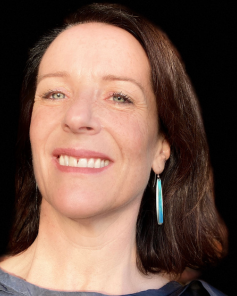 | Gabrielle Potocki-VeroneseToulouse Biotechnology Institute, INSA Toulouse |
| Marine Desage-El MurrInstitut of Chemistry of Strasbourg, University of Strasbourg |
Education and Training Division
 | Cédric d’HamGrenoble Informatics Laboratory, Université Grenoble Alpes BiographyCédric d’Ham is an Associate Professor at the Grenoble Computer Science Laboratory (Laboratoire d’Informatique de Grenoble) of Université Grenoble Alpes and a member of the “Models and Technologies for Human Learning” research team. Holding a PhD in chemistry, he subsequently specialized in science education and computer science. He is the principal designer and coordinator of LabNBook, a platform dedicated to experimental science education. This platform enables students to collaboratively produce scientific writings under the supervision of their teachers. His research focuses on the pedagogical affordances of practical science work. It also explores the integration of digital tools into hybrid learning environments that combine real-world experimentation and simulations.
|
 | Caroline CannizzoDépartement de Chimie, UFR SFA, Université Evry Paris-Saclay |
Physical Chemistry Division (DCP)
 | Axel GomezPrinceton University |
 | Laurence CharlesInstitute of Radical Chemistry, Aix-Marseille University |
 | Mona Tréguer-DelapierreInstitute of Condensed Matter Chemistry of Bordeaux, University of Bordeaux |
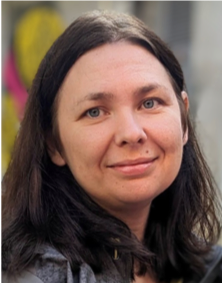 | Galina DubachevaDepartment of Molecular Chemistry, Grenoble Alpes University |
 | Lam NguyenInteruniversity Laboratory of Atmospheric Systems, Paris-Est Créteil University |
Chemobiology
 | Cyrille SabotInstitute of analytical chemistry and molecular reactivity in Normandy, University of Rouen BiographyCyrille Sabot earned his PhD in Chemistry from the University of Strasbourg, where he focused on the development of novel organocatalyzed reactions. Following two postdoctoral positions at the University of Québec at Montreal and Grenoble-Alpes, where he worked on the total synthesis of alkaloids, he secured a permanent position at the CNRS in 2010. Based at the University of Rouen Normandy (within the CAMeN Institute, formerly COBRA), his research now centers on the design of (photo)chemical tools for 1) Drug discovery through target-guided synthesis; 2) Biomolecular recognition, sensing, and capture (fluorescence assays, photoaffinity labeling, crosslinking); 3) Light controlled biological processes (photodecaging).
|
 | Béatrice GerlandLaboratory of Synthesis and Physicochemistry of Molecules of Biological Interest, University of Toulouse BiographyBéatrice Gerland earned her Ph.D. in molecular chemistry from Joseph-Fourier University (now Grenoble-Alpes) in 2006, with a thesis on the synthesis of thionucleosides for therapeutic applications. She completed her first postdoctoral fellowship in prebiotic chemistry at the University of Manchester, followed by a second one in Montpellier on the synthesis of oligonucleotides decorated with glycoclusters. After a year as an Assistant Professor at the University of Strasbourg, she went on to study constrained nucleic acids at the SPCMIB laboratory in Toulouse, where she was hired as a Research Fellow. Her research now focuses on the supported synthesis of functionalized oligonucleotides and on modifying the sugar-phosphate backbone of novel surfactants to modulate their self-assembly.
|
| Paola B. ArimondoPasteur Institute |
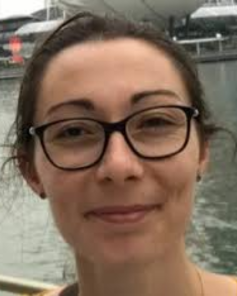 | Hélène BertrandENS Sorbonne University BiographyHelene C. Bertrand received her Ph.D. in Molecular Chemistry at Université Pierre et Marie Curie (now Sorbonne University) in 2008 (supervised by M.-P. Teulade Fichou and D. Fichou). She carried out her postdoctoral research at the School of Pharmacy (University College London, 2009-2011, G. Wells) and at the Institut des Sciences Moléculaires in Bordeaux (2011, S. Quideau), before joining Sorbonne University as an Assistant Professor in 2011. She was a visiting scientist at NTU Singapore between 2017 and 2020. Since 2025, she is a Full Professor at Sorbonne University. She carries her research at the Laboratoire Chimie Physique et Chimie du Vivant (https://ens-bic.fr/) in the METHROX team. Her research interests lie in the field of bioinorganic medicinal chemistry and include chemotherapy induced peripheral neuropathy.
|
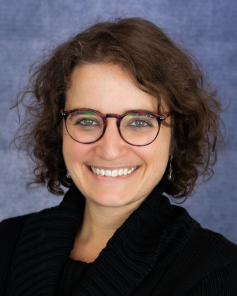 | Sarah HostachyCEA BiographyIn 2015, Sarah Hostachy obtained a PhD in molecular chemistry from Pierre and Marie Curie University (Paris), under the supervision of Prof. Clotilde Policar and Dr. Nicolas Delsuc, focusing on the development of metal complexes for multimodal imaging of proteins in cells. She then joined the group of Prof. Dorothea Fiedler (FMP, Berlin), where she worked on the development of molecular tools to investigate the role of inositol polyphosphates in biology. Since joining the SyMMES laboratory (UMR5819) at CEA Grenoble in 2020, her research has focused on the development of chemobiological tools to study interactions between metals and living systems, particularly metal–protein interactions. She is the recipient of the 2026 JCJC Prize from the SCF Chemobiology Division.
|
Equality
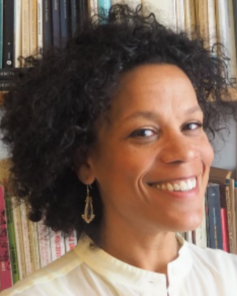 | Elsje Alessandra QuadrelliInstitute of Researches on Catalysis and Environment, CNRS BiographyAlessandra Quadrelli is director of research in chemistry from the French National Centre for Scientific Research, CNRS, at the IRCELYON laboratories. Her research focuses on materials for CO 2 reduction. Concurrently, Alessandra is proposing the the Situated Green Chemistries framework to explore transdisciplinary framing of “sustainable chemistry”. Inspired by Donna Haraway’s “situated knowledges” concept in science and technology studies and feminist epistemologies, the framework proposes several other possible chemistries, built from perspectives under-represented in the current academic arena, to help address present challenges and shape science-informed more diverse routes to desirable futures.
|