
Pierre Henri Gaillard
Cancer Research Centre Marseille, France
Pierre-Henri Gaillard carried out his PhD at the Institut Curie under the joint supervision of Ethel Moustacchi and Geneviève Almouzni on the functional ties between nucleotide excision repair (NER) and chromatin assembly. After receiving his PhD from the University Pierre and Marie Curie (Paris 6) in 1997, he joined the team to Rick Wood at Clare Hall Laboratories, Imperial Cancer Research Fund, as a HFSP postdoctoral fellow. There he worked on the human XPF-ERCC1 structure specific endonuclease and its role in NER. In 2000, he moved to the Scripps Research Institute where he joined the team of Paul Russell as a Leukemia and Lymphoma Society senior postdoctoral fellow to work on the identification and characterization of the Mus81-Eme1 and Slx1-Slx4 structure specific endonucleases in fission yeast. In 2006, PH moved back to France to set up his own team as a laureate of the CNRS ATIP junior group leader program in the Instabilité du Génome et Cancérogenèse (IGC) unit in Marseille. He is since 2012 a senior group leader at the Cancer Research Centre Marseille on the campus of the Paoli Calmettes hospital and since 2023 co-chair of the Genome Integrity department. His team has had a long-standing interest in dissecting the molecular mechanisms that ensure the spatio-temporal control of structure-specific endonucleases, a specialized class of endonucleases that process secondary DNA structures that arise during DNA repair, recombination, replication and transcription. The team has unravelled multiple regulatory processes of the fission yeast Mus81-Eme1 endonuclease. It has also pioneered and remained at the forefront of studies on the human SLX4 tumour suppressor which controls and coordinates the XPF-ERCC1, MUS81-EME1 and SLX1 DNA repair and recombination nucleases, as well as a number of other key genome maintenance and cell cycle control factors.

Caroline Kisker
Würsburg University, Germany
Caroline Kisker studied biochemistry at the Free University of Berlin and received her doctorate in structural biology with Wolfram Saenger, solving the structure of the tetracycline repressor. She then joined Douglas Rees’ group at Caltech, analyzing sulfite oxidase, a molybdenum cofactor enzyme essential for human health. In 1998, she established her lab at Stony Brook University, focusing on nucleotide excision repair (NER) in prokaryotic models. In 2005, she became a professor at the Rudolf Virchow Center, University of Würzburg, shifting to eukaryotic NER and the TFIIH complex.
Her group solved the structure of the CDK-activating kinase (CAK) complex and identified the regulatory roles of p52/p8 in XPB translocase function.They uncovered how XPD unwinds DNA to verify lesions and identified key residues essential for this function. Their latest findings provide a first glimpse into how XPD engages directly with damaged DNA. Her contributions have significantly advanced the understanding of DNA repair mechanisms, particularly the structural and functional dynamics of TFIIH.

Andreas Ladurner
Ludwig Maximilians University of Munich, Germany
Our research targets complementary areas of metabolite-induced chromatin plasticity and gene regulation. We dissect the structure and function of key chromatin remodelers using a combination of high-resolution methods, biochemistry, protein engineering, cellular and in vivo approaches, especially in the context of PARP signaling and DNA repair. We also study the biological functions of nuclear and mitochondrial ADP-ribosylation, a modification involved in chromatin dynamics, DNA transcription and DNA replication. We pioneered the discovery of ADP-ribose-sensing macrodomains. We complement our studies in yeast and mammalian cells by also studying the role of nutrients and metabolites in gene regulation, both in mammals and in the fruit fly. By applying knowledge from the field of transcription and metabolism, we are dissecting how specific cellular metabolites bind and regulate transcription factors that allow organisms to adapt to environmental changes.
Our approach is defined by a multidisciplinary combination of genetics, genomics, biochemistry, cell biology, biophysics, structural biology (X-ray crystallography, cryo-EM) and the use of model organisms. This allows us to answer fundamental biological questions in chromatin and PARP biology and to identify, dissect and translate novel paradigms of molecular recognition of and biological regulation by cellular metabolites.
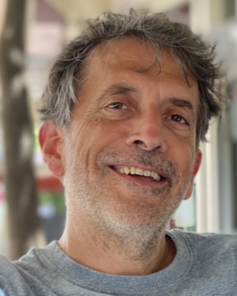
Andrea Musacchio
Max Planck Institute of Molecular Physiology, Germany
Andrea Musacchio (born 1964) graduated in Biology from the Tor Vergata University of Rome in 1990, working with Prof. Giovanni Cesareni on the development of phage display libraries. Musacchio later moved to the European Molecular Biology Laboratory in Heidelberg to carry out his PhD work in the area of biochemistry and structural biology, supervised by the late Dr. Matti Saraste. After receiving his PhD title from the University of Heidelberg, Musacchio moved to the Harvard Medical School to work as a postdoctoral fellow in the laboratory of Prof. Stephen C. Harrison, supported by Human Frontier Science Program and the American Cancer Society postdoctoral fellowships. In Boston, Musacchio worked on the structural characterization by X-ray crystallography and electron microscopy of proteins implicated in trafficking of membranes and proteins in cells, including Clathrin and PI3 kinase. In 1999, Musacchio established his first laboratory at the European Institute of Oncology in Milan, where he began investigating the molecular mechanisms of cell division using a combination of structural, biochemical, and cell biological methods. Cell division remains Musacchio’s main interest to these days. In 2011, Musacchio moved to Dortmund to direct the Department of Mechanistic Cell Biology at the Max Planck Institute of Molecular Physiology. In 2012, he received an honorary professorship at the University of Duisburg-Essen. Musacchio authored approximately 170 research papers. He was elected EMBO member in 2009, was awarded three European Research Council grants (2009, 2015, 2021), received the Leibniz Prize of the German Science Foundation (DFG) in 2020, and is an elected member of the German Academy of Science Leopoldina (2023).
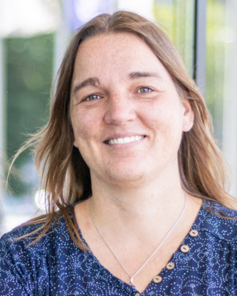
Anna Poetsch
Technical University Dresden
Anna Poetsch moved to Dresden in July 2020. She spent her postdoctoral time at the Francis Crick Institute with a placement to the Okinawa Institute of Science and Technology (OIST). and her PhD at the German Cancer Research Institute (DKFZ), undergraduate training at University Konstanz, the Japanese National Cancer Center Reasearch Institute, and ALTANA Pharma AG.
Anna’s background is in classical biochemistry/ molecular biology, DNA damage response, and mutations in cancer. Her interest in the associated processes has not changed, but the methodology has become increasingly computational, deeper and deeper into deep learning. Thus the main current interest of the group has become how genome instability is itself encoded in genomes, for which the group engineers and aims to interpret the learning of DNA language models.

Aurèle Piazza
ENS de Lyon, France
Aurèle Piazza obtained a PhD in Genetics from the University Pierre and Marie Curie (now Sorbonne University) in 2012 under the direction of Alain Nicolas at the Institut Curie. His PhD work focused on the role of G-quadruplexes in inducing the genomic instability in budding yeast. For his post-doc, he moved to the laboratory of Wolf-Dietrich Heyer at the University of California Davis to initiate a research project aiming at better defining the molecular mechanism of homology search during DNA break repair by homologous recombination. Upon returning to France in the laboratory of Romain Koszul at the Institut Pasteur, he expanded upon this topic by investigating the role of 3D genome organization in regulating homology search. These post-doctoral endeavors led him to develop several assays to track recombination intermediates in cells. Thanks to these developments, he now pursues a line of research at the intersection between DNA break repair and chromatin organization in his independent laboratory at the ENS Lyon since 2020. He received the CNRS bronze medal (2022) and the Paoletti prize (2020) and was awarded two European Research Council grants (2019, 2024) to carry out his research.

Sophie Postel-Vinay
Gustave Roussy, France
Sophie Postel-Vinay (MD, Ph.D) is Clinician Scientist, medical oncologist in early drug development and research group leader, working at Gustave Roussy (Paris, France) and University College of London Cancer Institute (London, UK) Sophie trained as a medical oncologist at Université Paris V and specialized in Drug Development at the Royal Marsden Hospital (London, UK). She completed her PhD at the Institute of Cancer Research (London, UK) in 2012, which focused on DNA repair and synthetic lethality. Dr Postel-Vinay became Assistant Professor at the DITEP in 2013, and subsequently obtained a Clinician Scientist position in 2017, notably thanks to an ATIP-Avenir INSERM Young Group Leader research grant and subsequent ERC Starting Grant in 2023. She became the head of the DITEP committee between 2020 and 2022, where she is the principal investigator of several early phase clinical trials with a strong involvement in early phase clinical trial methodology, preclinical and translational research. Since 2023, she leads the institutional 5-year grant and label SIRIC (Integrated Centre for Cancer Research). Since November 2023, Sophie joined the University College of London Cancer Institute, with the aim of leveraging on academic collaborations to develop novel therapeutic approaches to target sarcomas of unmet need, notably rare fusion-driven sarcoma of the children, adolescent and young adult, in a trans-age approach. Her research aims at targeting genetic vulnerabilities in cancer, with a focus on the interplay between DNA repair, epigenetic regulation and anti-tumour immunity.
Dr Postel-Vinay is member of ESMO, AACR, ASCO, and EACR (where she also serves as member of the Scientific Board), and is involved in the organization or scientific committee of various international congresses. She was notably granted the “Prix Irène Joliot-Curie” from the French Academy of Sciences in 2019 for her scientific research work, the “Prix Gallet et Breton” in 2019 from the French Medicine Academy, and the “Prix Raymond Rosen” from the French foundation for Medical Research in 2023 for her research. Her drive is to promote patient-focused reciprocal bench-to-bedside and bedside-to-bench cancer research, in order to develop novel therapeutic approaches and hopefully ultimately improve patient outcome.

Sophie Zinn
Institute of Integrated Biology of the Cell, France
Sophie Zinn-Justin received a PhD in Structural Biology & Protein Engineering from Ecole Centrale Paris in 1993. Her PhD work focused on the determination of the 3D structures of native and engineered proteins from nuclear magnetic resonance (NMR) data. She has since extended her work to the structural analysis of human proteins associated with diseases using NMR, X-ray crystallography and cryo-electron microscopy. Her interest has moved from nuclear envelope proteins to, later, DNA damage response proteins. As these proteins are rich in intrinsically disordered regions, her main current interest has become how small conserved unstructured motifs and post-translational modifications control the DNA damage repair pathways, including the formation of nucleoprotein complexes and biomolecular condensates.